
A zero waste deodorant is one of the environmentally friendly variants of this personal care product aimed at reducing plastic use and its negative impact on nature. In contrast to regular deodorants, it includes natural ingredients and utilizes such kinds of sustainable packaging as reusable tins, glass jars, or even biodegradable tubes.

And here comes this deodorant into play, becoming a smart and more environmentally friendly alternative. Zero waste deodorant implies changing your mind regarding consumerism and opting for products that do not harm the planet and do good to your body.
But there is one more question about zero waste deodorants, which raises people’s interest. Do they actually work? Are they convenient enough to use in everyday life? Let us consider this topic in detail.
What Is Zero Waste Deodorant?
Zero waste deodorants are personal care products which are created in order to reduce their impact on the environment. In contrast to traditional deodorants which are packaged in plastics, these alternatives utilize biodegradable or recyclable material, for instance, glass containers, metal tins, or cardboard tubes.
However, it is not only the matter of packaging. The ingredients of zero waste deodorants are usually all-natural and free from toxic substances.
Why Switch to Zero-Waste Deodorants?
1. Decrease Plastic Pollution
Deodorants made using traditional stick form generate a lot of plastic garbage. Most of them are not recyclable because of their mixture of different components. By switching to zero-waste deodorants, you will reduce waste in landfills and seas.
2. Safer for Your Skin
Commercial deodorants usually have some chemicals that can cause irritation of sensitive skin. Ingredients in zero-waste deodorants are less likely to be irritating.
3. Natural Ingredients
Zero-waste deodorants often contain sustainable ingredients such as coconut oil, shea butter, and baking soda.
How Does Zero Waste Deodorant Work?
Unlike antiperspirants, which block sweat glands using aluminum compounds, a zero-waste deodorant works by neutralizing odor-causing bacteria.
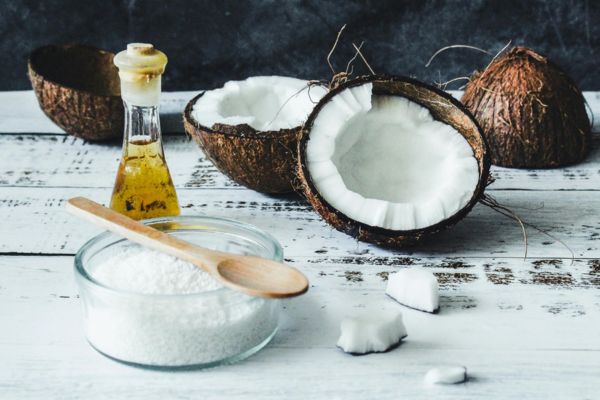
Key ingredients often include the following:
- Baking soda: for odor control
- Arrowroot powder: for moisture absorption
- Essential Oils: for natural fragrance
This process means you may still sweat—but that’s completely natural and healthy.
Types of Zero Waste Deodorants
1. Stick Deodorants in Cardboard Tubes
These are the closest alternative to traditional deodorants. They’re easy to apply and fully compostable.
2. Cream-Based Deodorants
Packaged in jars or tins, these require application with your fingers. They’re highly customizable and often more moisturizing.
3. Deodorant Bars
Similar to soap bars, these are solid and long-lasting, making them a great travel-friendly option.
Key Ingredients to Look For
When selecting zero waste deodorants, it is vital that you are aware of what is in it. Select zero waste deodorant which includes:
Coconut Oil – Anti-bacterial and moisturizes
Shea Butter – Soothes and nourishes skin
Magnesium Hydroxide – Gentler than baking soda
Activated Charcoal – Detoxifies and absorbs odor
Do not select products that contain artificial fragrances and preservatives in case you have sensitive skin.
Common Myths About Zero-Waste Deodorants
Myth 1: They Don’t Work
This might be the greatest misunderstanding of all. While it could take some time for your body to adapt, chances are high that you will find such deodorants just as effective—if not even more—as other options.
Myth 2: They Are Expensive
Even though the initial price may be higher, zero waste deodorants typically have more longevity and thus become cost-efficient.
Myth 3: Natural Means Ineffective
Natural can also mean extremely potent. Zero waste deodorants usually contain scientifically proven ingredients that work effectively against odor.
Transitioning to Zero-Waste Deodorant
Making the switch from regular deodorants can entail going through a brief “detox” period. This is when your body gets used to living without aluminum and other artificial substances.
Things to Remember When Switching:
- Drink plenty of water
- Choose breathable materials
- If necessary, reapply
- Be patient (2-4 weeks)
Patience is all it takes. Your body is only readjusting itself.
Additional Advantages Other Than Sustainability
Apart from being good for the environment, zero-waste deodorants provide many other advantages:
- Healthy skin
- Less allergies
- Helping ethical companies
- Exposure to fewer toxins
It is the best way to care for yourself.
- Coconut oil
- Baking soda
- Arrowroot powder
- Essential oils
DIY is not an option for everyone, though. Commercial products usually have better formulas and longer shelf life.
How to Store and Use Zero-Waste Deodorant
To get the most out of your product:
- Store in a cool, dry place
- Use a small amount—a little goes a long way.
- Keep lids tightly closed to preserve freshness.
Proper storage ensures effectiveness and longevity.
How to Choose Right Zero Waste Deodorant
Everyone’s body chemistry is unique, therefore finding the ideal zero waste deodorant can take some time and experimentation.
Consider:
- Skin type (sensitive or normal)
- Preferred smell (or no smell at all)
- Application method (stick, cream or bar)
Be not afraid, there is an ideal choice just for you somewhere out there.
Top Zero-Waste Deodorant Brands You Should Try
- Wild Refillable Natural Deodorant – Refillable, stylish, and widely popular.
- Juicy Chemistry Organic Deodorant Stick – Organic and skin-friendly.
- Bare Necessities Garden of Eden Deodorant – Truly zero-waste and eco-focused.
- The Bare Bar Jasmine Deodorant – Plastic-free and affordable.
- EarthStick Natural Alum Crystal deodorant -Long-lasting mineral-based option.
The Future of Personal Care Is Zero Waste
With increasing pressure from consumers for sustainability, there are many changes taking place within the beauty industry. Zero waste deodorants are just the tip of the iceberg, as more people are looking towards an eco-friendly way of life.
Choosing a zero waste deodorant is one step closer to joining this global revolution.
Read More: Fungal Acne Skincare Routine | A Simple Guide to Clearer Skin
FAQs | Zero Waste Deodorant
Q.1 How to make zero-waste deodorant?
Mix coconut oil, baking soda, and arrowroot powder into a smooth paste, then add a few drops of essential oil for fragrance.
Store it in a reusable container and apply a small amount daily with your fingers.
Q.2 What can I use instead of deodorant naturally?
You can use natural alternatives like baking soda, coconut oil, apple cider vinegar, lemon juice, or witch hazel to help control odor.
These options work by killing odor-causing bacteria while allowing your body to sweat naturally.
Q.3 What are zero-waste products?
Zero-waste products are items designed to produce little to no trash by using reusable, recyclable, or biodegradable materials.
They help reduce environmental impact by minimizing waste throughout their lifecycle, from production to disposal.
Q.4 What is the best plastic-free deodorant?
The best plastic-free deodorant is one made with natural ingredients and eco-friendly packaging like cardboard or glass.
Choose a formula that suits your skin and effectively controls odor without harmful chemicals.
Q.5 What is the healthiest deodorant to wear?
The healthiest deodorant is a natural, aluminum-free formula with simple, non-toxic ingredients.
Look for options with plant-based ingredients that control odor gently without harming your skin.
Q.6 What to do with leftover stick deodorant?
Use leftover stick deodorant on feet, inner thighs, or hands to prevent odor or chafing.
You can also melt and reuse it in a small container to avoid waste.
Conclusion | Zero Waste Deodorant
Moving toward zero-waste deodorant is a tiny step with a huge influence. In addition to saving tons of plastic and improving your skin health, it will make your life much more sustainable.

Though you might face some adaptation problems at first, you will get plenty of advantages both for yourself and for our planet in the future.
Choosing eco-friendly products during everyday activities is your contribution to making a bigger difference for the Earth. One little step can encourage you to do more.
Also read: Natural Skincare Routine for Combination Skin | A Complete Guide