
The blush draping technique is one of the simplest and most effective methods to color and define your face without using any contour makeup. While most techniques of application use the apples of the cheeks, this method utilizes blush to subtly mold the face for an overall lifted and fresh appearance.
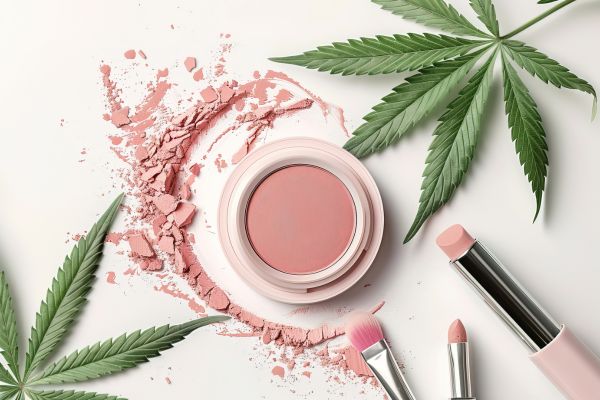
It has gained popularity in recent years because people now favor natural-looking makeup. With just a little bit of effort, this method could completely transform your makeup game!
What is It?
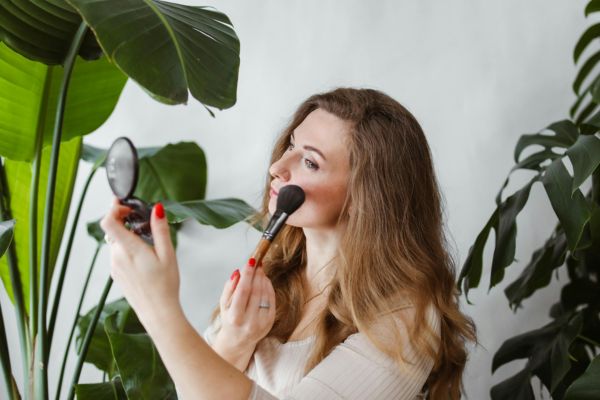
This is a makeup technique that involves draping blush in a sweeping motion across your cheeks and towards your temples. It creates a contouring effect through use of color rather than hard contour lines.
Differing from conventional contouring which requires use of darker shades to contour your face, this makeup technique incorporates use of colors and contours to uplift your appearance.
Why is Blush Draping So Popular?
There are several reasons why the blush draping technique is trending again:
- It looks natural and skin-like
- It requires fewer products.
- It is quick and beginner-friendly
- It suits almost every face shape.
- It gives a soft, lifted effect without heavy contour.
Many people now prefer this method because it enhances natural beauty rather than covering it.
Benefits
Using the blush draping technique comes with many benefits:
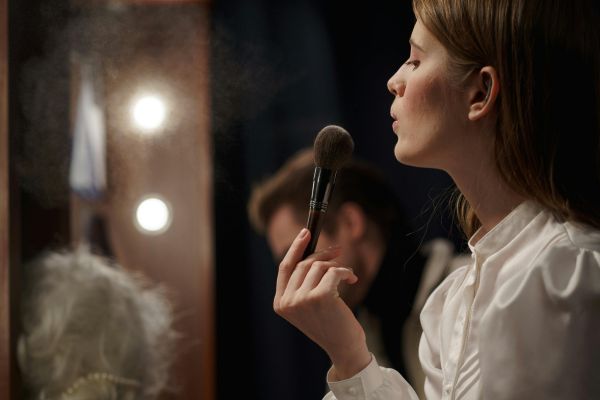
- Natural Sculpting: Blush adds color while shaping your face, so you don’t need contour.
- Youthful Glow: It gives your skin a healthy, fresh look that makes you appear more youthful.
- Quick Application: You can finish your makeup faster because it replaces multiple steps.
- Simple & Flexible: It works for both everyday makeup and special occasions.
- Suitable for All Skin Types: No matter if you have dry, oily, or combination skin, this technique works well.
Best Types of Blush for Draping
Selecting the correct blush is crucial for obtaining good results. The following are the best types:
1. Powder Blush
- Recommended for oily skin
- Easy to apply
- Good for beginners
2. Cream Blush
- Suitable for dry skin
- Provides a dewy look
- Looks very natural
3. Liquid Blush
- Contains high pigmentation
- Very long-lasting
- Recommended for professionals
Always select the colors that complement your skin tone.
Blush Draping Technique Makeup Tutorial
Step 1: Prepare Your Skin
Your skin should be cleaned and well moisturized. Foundation or tinted moisturizer can be used if required.
Step 2: Select Blush
Select a color that suits your skin tone, such as peach, pink, or coral.
Step 3: Apply on Cheekbones
Blush needs to be applied just above the cheekbones.
Step 4: Blend It Upwards
The blending of blush is done upwards towards the temples with the help of a soft brush or sponge.
Step 5: Add Layers
Keep adding the layers of blush slowly till you achieve your required color.
Step 6: Soften The Edges
It is necessary to soften the edges when doing makeup.
Best Blush Colors According to Different Complexions
1. Fair Complexion
- Light pink
- Peach
- Baby coral
2. Medium Complexion
- Rose
- Coral pink
- Peachy color
3. Dark Complexion
- Plum
- Berry
- Orange
Using the right blush color will make the technique of draping the blush appear more natural.
Tools Required for Applying Blush Draping
To get that desired effect, one needs the following tools as follows:
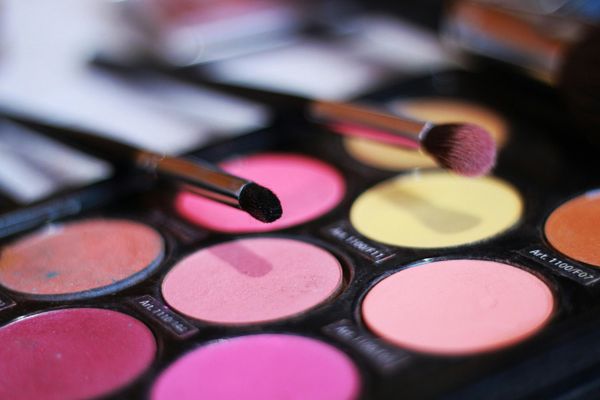
- A fluffy blush brush for powder form blushes
- A dense brush for creamy blushes
- A makeup sponge
- Good lighting mirror
These will make the blush draping process easier and faster.
Mistakes to Avoid During the Process
Although the blush draping technique itself is fairly straightforward, there are some mistakes one should watch out for:
- Using Too Much Makeup: Begin using small amounts of makeup, then gradually increase the amount.
- Positioning the Blush Too Low: Try keeping the blush applied above your cheekbones.
- Failing to Blend: Always make sure to blend well and prevent harsh lines from appearing.
- Using the Wrong Color: Never choose colors that do not suit your skin tone.
Blush Draping vs Contouring
1. Blush Draping
- Uses blush only
- Gives soft definition
- Looks natural
2. Contouring
- Uses dark shades
- Creates sharp definition
- Looks more dramatic
This technique is perfect if you want a simple and natural makeup look.
Some Advice on How to Get Blush Draping Just Right
Here are some helpful hints:
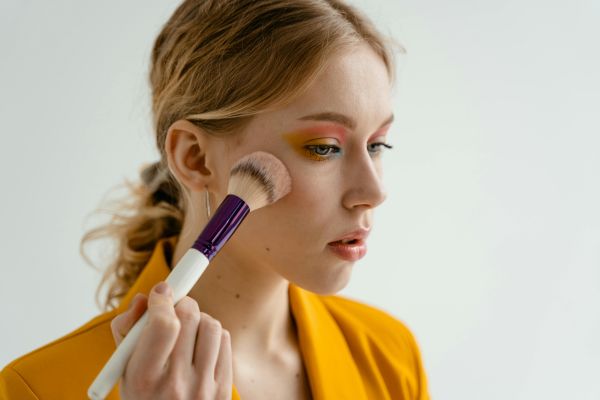
- Always work upwards for a lifting effect.
- Choose thin layers over thick layers.
- Choose blush that matches your lipstick for consistency.
- Test out various shades to get the perfect one.
- Practice makes perfect – so do it often.
With all these tips, you will easily master the art of blush draping.
When to Use Blush Draping
The blush draping technique is suitable for many occasions:
- Daily makeup routine
- Office look
- Casual outings
- Weddings and parties
- Minimal makeup days
It is a flexible technique that works anytime you want a natural glow.
Is Blush Draping Good for Beginners?
Indeed, this technique suits beginners very well. It is easy, quick, and does not require any advanced techniques. The only thing you need is a good blush and a blending brush.
It is easier for beginners than contouring since it is more forgiving and looks natural regardless of perfection.
You may also like: Natural Skincare Routine for Combination Skin | A Complete Guide
FAQs | Blush Draping Technique
Q.1 What is blush draping?
Blush draping is a makeup technique where blush is applied higher on the cheeks and swept toward the temples to shape and lift the face.
It uses blush instead of contour to add dimension and a soft sculpted look.
Q.2 Should I wear blush with rosacea?
Yes—you can wear blush with rosacea, but choose gentle, skin-friendly formulas and shades that won’t emphasize redness.
Opt for cream or liquid blush in soft peach, nude, or warm tones, and avoid harsh rubbing or bright red shades that can make flare-ups more noticeable.
Q.3 What are the different styles of draping?
Blush draping styles include classic (soft lift), dramatic (bold sculpt), sunset (multi-tone blend), and under-eye (youthful flush).
There’s also contour draping, where deeper blush shades are used to shape and define the face.
Q.4 What are common blush mistakes?
Common blush mistakes include applying too much product or choosing shades that don’t suit your skin tone.
Poor blending and placing blush too low or too close to the nose can make the face look heavy or unbalanced.
Q.5 What is the purpose of draping?
The purpose of draping is to shape and lift the face by strategically placing blush along the cheekbones and temples.
It adds dimension and a sculpted look without using heavy contour products.
Q.6 What is the difference between rosacea and blushing?
Rosacea is a chronic skin condition that causes persistent redness, visible blood vessels, and sometimes bumps on the face.
Blushing is a temporary flushing of the skin triggered by emotions, heat, or embarrassment, and fades quickly.
Conclusion | Blush Draping Technique
Blush draping is an easy and effective method that will make your face look beautiful without much hassle. This technique helps you to save time on applying makeup as well as gives you an effortless look. Irrespective of being a novice in makeup application or a fan of a soft, glamorous look, you should definitely give this blush draping technique a try.
Through proper choice of the right tone, right blending, and regular practice, you can learn how to do blush draping in no time at all.
Also read: Zero Waste Deodorant | A Cleaner Choice for You and the Planet