
Makeup has become an important part of beauty and self-care for many people around the world. It helps enhance natural features, boost confidence, and create different looks for different occasions. From simple everyday makeup to glamorous party styles, there are many options available today.
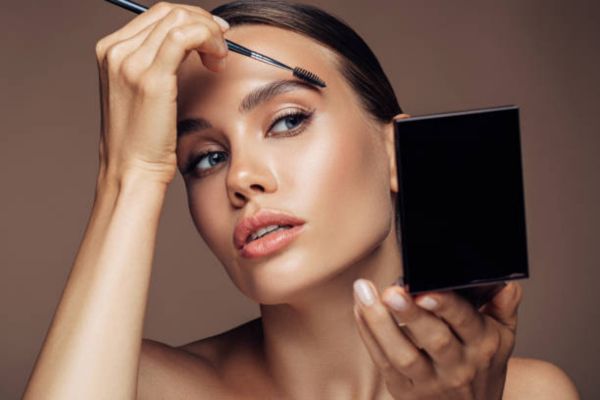
Understanding the types of makeup can help you choose the right products and techniques based on your skin type, occasion, and personal style. If you are a beginner or someone who loves experimenting with beauty trends, knowing the different makeup categories can make your beauty routine easier and more effective.
In this guide, we will learn the various types, their purposes, benefits, and when to use them.
What Is Makeup?
Makeup refers to cosmetic products applied to the face, eyes, lips, and skin to improve appearance or create a desired look. It can be used to highlight facial features, cover imperfections, and express creativity.
Modern makeup includes products such as foundation, concealer, lipstick, mascara, eyeshadow, blush, and many others.
Why Understanding Different Types of Makeup Matters
Many people buy makeup products without knowing their actual purpose. Understanding different makeup categories helps you:
- Choose suitable products for your skin
- Create looks for different occasions
- Avoid wasting money on unnecessary products
- Improve your makeup application skills
- Achieve a natural or dramatic appearance as desired
Let’s explore the most popular types of makeup in detail.
1. Everyday Makeup
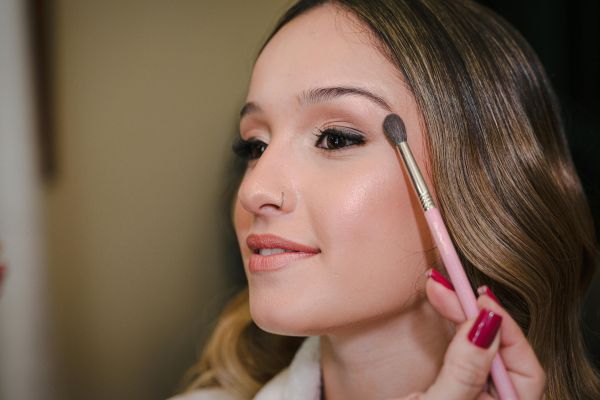
Everyday makeup is designed for daily activities such as work, college, shopping, or casual outings.
Features of Everyday Makeup
- Light foundation or BB cream
- Natural-looking concealer
- Soft blush
- Neutral eyeshadow shades
- Mascara
- Nude or light lipstick
Benefits
- Quick to apply
- Comfortable for long hours
- Gives a fresh and polished appearance
- Suitable for all age groups
This is one of the most commonly used types of makeup because it enhances natural beauty without looking heavy.
2. Natural Makeup
Natural makeup focuses on creating a “no-makeup makeup look.” The goal is to make the skin appear healthy and flawless while using as few products as possible.
Products Commonly Used
- Tinted moisturizer
- Lightweight foundation
- Cream blush
- Brown mascara
- Lip balm or nude lipstick
Best Occasions
- Daytime events
- Office meetings
- Family gatherings
- Casual outings
Natural makeup remains popular because it creates a clean and effortless appearance.
3. Bridal Makeup
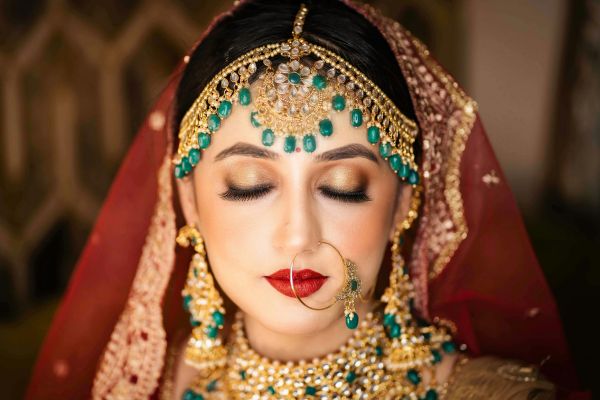
Bridal makeup is specially designed for weddings. It is usually more detailed and long-lasting than regular makeup.
Characteristics
- Full coverage foundation
- Professional contouring
- Defined eyes
- Waterproof products
- Long-lasting setting spray
Why It Is Important
Wedding ceremonies often last many hours. Bridal makeup ensures the bride looks beautiful in person and in photographs throughout the day.
Many professional makeup artists specialize in bridal makeup because it requires advanced techniques and precision.
4. Party Makeup
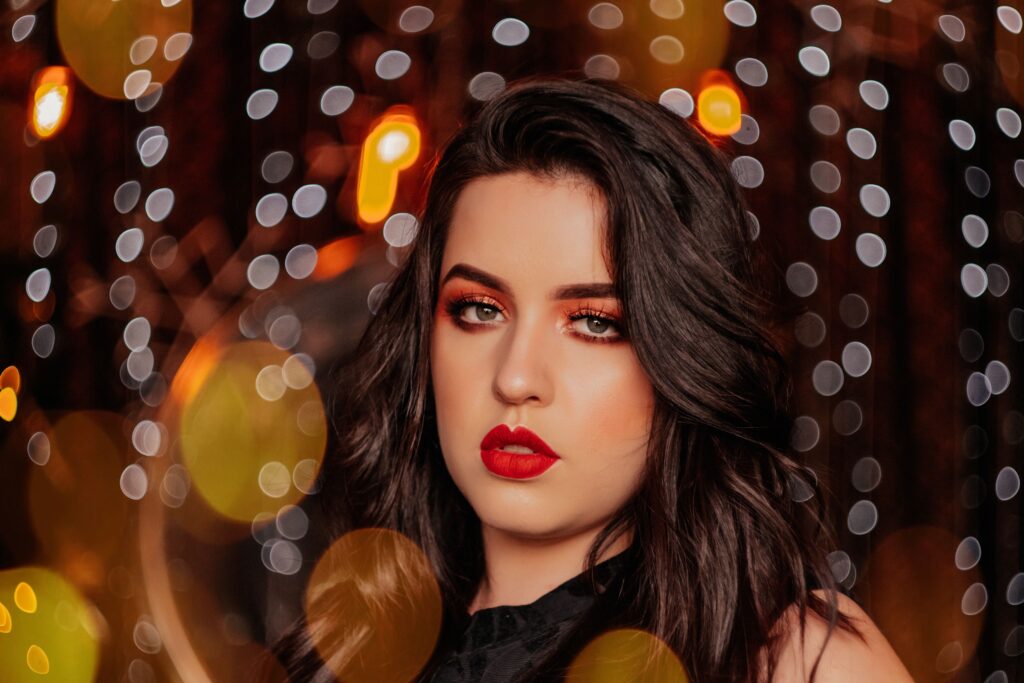
Party makeup is created for celebrations, birthdays, anniversaries, and social gatherings.
Common Elements
- Bold eyeshadow
- Shimmer or glitter
- Dramatic eyeliner
- Bright lipstick
- Highlighted cheekbones
Advantages
- Creates a glamorous look
- Enhances facial features
- Perfect for evening events
Party makeup allows for more creativity and experimentation than everyday styles.
5. HD Makeup
HD makeup, or High Definition makeup, is specially formulated for cameras and high-resolution photography.
Features
- Lightweight texture
- Smooth finish
- Flawless appearance on camera
- Covers imperfections effectively
Suitable For
- Weddings
- Photoshoots
- Television appearances
- Special events
HD makeup has become increasingly popular due to social media, photography, and video content creation.
6. Airbrush Makeup
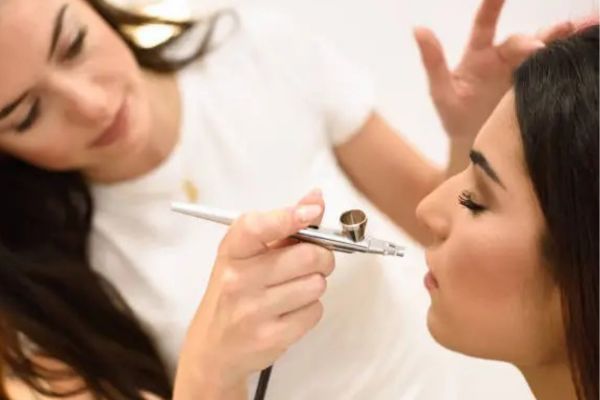
Airbrush makeup uses a special machine that sprays makeup onto the skin.
Benefits
- Even application
- Lightweight feel
- Long-lasting finish
- Water-resistant properties
Ideal Occasions
- Weddings
- Fashion shows
- Professional photoshoots
- Special celebrations
Airbrush makeup often creates a flawless finish that looks smooth and natural.
7. Matte Makeup
Matte makeup provides a shine-free appearance. It is particularly suitable for people with oily skin.
Key Characteristics
- No glossy finish
- Controls excess oil
- Long-lasting wear
- Smooth texture
Popular Products
- Matte foundation
- Matte lipstick
- Matte setting powder
Matte makeup is a favorite choice for hot weather and long events.
8. Dewy Makeup
Dewy makeup focuses on creating fresh, glowing, and radiant skin.
Features
- Hydrated appearance
- Light-reflecting products
- Cream-based formulas
- Natural glow
Best For
- Dry skin types
- Daytime events
- Spring and summer look
Many beauty enthusiasts prefer dewy makeup because it gives the skin a youthful appearance.
9. Glam Makeup
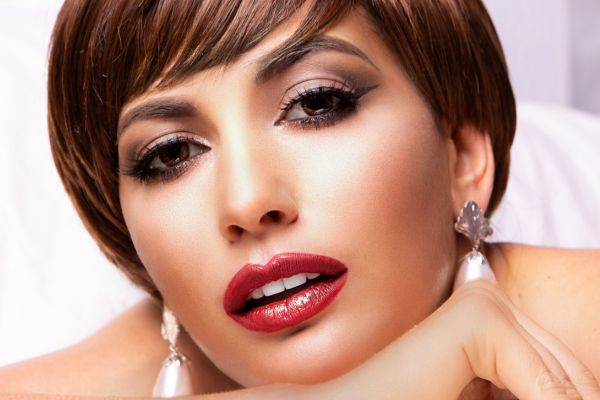
Glam makeup is bold, dramatic, and eye-catching. It is often seen on celebrities, influencers, and red-carpet events.
Common Elements
- Full coverage foundation
- Dramatic eyelashes
- Contoured face
- Highlighted features
- Bold lip colors
When to Wear Glam Makeup
- Weddings
- Fashion events
- Evening parties
- Photoshoots
Glam makeup is perfect for those who want a striking and sophisticated appearance.
10. Editorial Makeup
Editorial makeup is commonly used in fashion magazines and creative photoshoots.
Characteristics
- Artistic designs
- Unique color combinations
- Experimental techniques
- Trend-setting styles
Purpose
Editorial makeup is less about everyday beauty and more about creative expression and fashion storytelling.
It often inspires future beauty trends.
11. Stage Makeup
Stage makeup is designed for performers such as actors, dancers, and singers.
Features
- Heavy coverage
- Bright colors
- Strong contouring
- Highly visible from a distance
Importance
Stage lights can wash out facial features. Stage makeup helps performers appear clear and expressive to the audience.
12. Waterproof Makeup
Waterproof makeup is formulated to resist sweat, tears, and humidity.
Common Waterproof Products
- Mascara
- Eyeliner
- Foundation
- Concealer
Benefits
- Long-lasting performance
- Smudge resistance
- Ideal for outdoor events
This makeup type is especially useful during summer months and emotional occasions like weddings.
13. Mineral Makeup (Best for Sensitive Skin)
Mineral makeup is made from natural minerals like zinc oxide, titanium dioxide, and iron oxides that are ground into fine powders. Unlike traditional cosmetics, it does not contain artificial dyes, oils, fragrances, or preservatives.
Features
- Chemical-free formula
- Lightweight and breathable
- Provides natural UV protection
- Does not clog pores (Non-comedogenic)
Best For
- Sensitive or acne-prone skin
- Post-chemical peel or skin treatments
- Daily use for a healthy glow
Makeup Categories Based on Product Type
Apart from styles and techniques, makeup can also be classified according to products:
1. Face Makeup
Includes:
- Foundation
- Concealer
- Compact powder
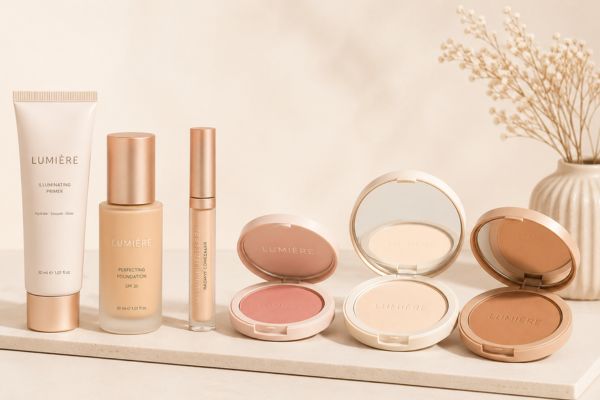
- Blush
- Bronzer
- Highlighter
Face makeup creates an even and polished complexion.
2. Eye Makeup
Includes:
- Eyeshadow
- Eyeliner
- Mascara
- Eyebrow products
Eye makeup helps define and enhance the eyes.
3. Lip Makeup
Includes:
- Lipstick
- Lip gloss
- Lip liner
- Lip tint
Lip makeup adds color and balance to the overall look.
Step by Step Guide on the Correct Makeup Application Order
Many beginners get confused about when to apply concealer—before or after foundation. To get a flawless, long-lasting finish and avoid cakey layers, you should follow this exact sequence.
Step 1: Prepping the Skin (The Canvas)
Preparing your skin is the most critical step for a flawless finish. Start by using a gentle cleanser, followed by a toner and a moisturizer suited for your skin type. If you are applying makeup during the day, never skip sunscreen to protect your skin from UV damage.
Step 2: Creating a Flawless Base
Apply a primer first to blur your pores and create a smooth surface. Follow this with a foundation that matches your skin tone. Ensure you blend the product well into your hairline and neck to avoid any visible lines or patches.
Step 3: Concealing and Correcting
Use a concealer to hide dark circles, redness, or blemishes. If you have significant discoloration, consider using a color corrector before your concealer. This step ensures your skin looks perfectly even and radiant.
Step 4: Setting the Base (Powder)
To lock your cream products in place, use a translucent or compact powder. Focus on your T-zone or any areas prone to oiliness and creasing. This prevents your makeup from sliding or melting off throughout the day.
Step 5: Adding Color and Dimension
Give your face structure using a contour or bronzer along the hollows of your cheeks and jawline. Afterward, apply blush to the apples of your cheeks to add a healthy, natural flush of color and freshness.
Step 6: Highlighting and Glow
Apply highlighter to the high points of your face, such as your cheekbones, bridge of the nose, and brow bones. This adds an instant luminosity and brings a beautiful dimension to your overall look.
Step 7: Enhancing Eyes and Brows
Shape and fill in your eyebrows to frame your face. Use eyeshadow, eyeliner, and mascara to define your eyes. This step balances your facial features and makes your eyes “pop.”
Step 8: Finishing with Lips
Outline your lips with a liner to define their shape and prevent the color from bleeding. Finish by applying your favorite lipstick, tint, or gloss to pull the entire look together.
Step 9: The Final Lock (Setting Spray)
The final step is to use a setting spray. This helps melt all the layers of makeup into one seamless finish and ensures your look stays fresh and intact for several hours.
How to Choose the Right Type of Makeup
Selecting the right makeup depends on several factors:
1. Consider Your Skin Type
- Oily skin: Matte makeup
- Dry skin: Dewy makeup
- Combination skin: Balanced formulas
- Sensitive skin: Gentle products
2. Consider the Occasion
- Daily routine: Natural or everyday makeup
- Weddings: Bridal or HD makeup
- Parties: Glam or party makeup
- Photoshoots: Airbrush or HD makeup
3. Consider Your Comfort Level
Choose makeup that feels comfortable and matches your personal style.
Makeup Trends That Are Popular Today
The beauty industry continues to evolve with new trends every year.
Popular trends include:
- Minimalist makeup
- Glass skin makeup
- Soft glam looks
- Natural brows
- Cream-based products
- Sustainable beauty products
These trends focus on enhancing natural beauty while maintaining healthy-looking skin.
Common Makeup Mistakes to Avoid
Even experienced users sometimes make mistakes.
1. Using the Wrong Foundation Shade
Always test the foundation in natural light before purchasing.
2. Applying Too Much Product
Heavy layers can look unnatural and uncomfortable.
3. Skipping Skin Preparation
Clean and moisturized skin helps makeup look smoother and last longer.
4. Ignoring Expiry Dates
Old makeup products can affect skin health and performance.
Tips for Long-Lasting Makeup
To keep makeup fresh throughout the day:
- Start with a clean face
- Use a suitable primer
- Apply products in thin layers
- Set makeup with powder
- Finish with a setting spray
- Carry touch-up products if needed
These simple steps can significantly improve makeup longevity.
How to Safely Remove Different Types of Makeup
Applying makeup is fun, but removing it correctly is crucial for maintaining healthy, acne-free skin. Heavy types of makeup like waterproof, bridal, or glam styles cannot be cleaned with just water or a regular face wash.
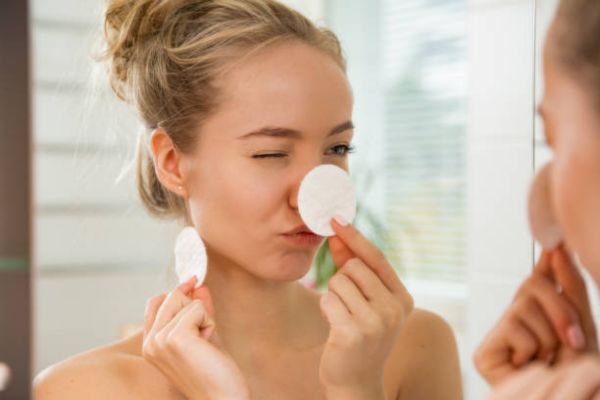
1. Removing Everyday & Natural Makeup
Use a gentle Micellar Water on a cotton pad to wipe away light layers.
2. Removing Waterproof & Glam Makeup
Follow the Double Cleansing Method. First, break down the stubborn products using an oil-based cleanser or cleansing balm. Next, wash your face with a water-based foaming cleanser to remove any remaining residue and dirt.
3. Tip for Eye Makeup Removal
Never rub your eyes harshly to remove waterproof mascara; hold a soaked cotton pad over your eyes for 10 seconds before wiping gently.
You may also like: How to Use Makeup Step by Step | The Correct Makeup Order Explained
FAQs | Types of Makeup
Q.1 What are the 8 types of makeup?
The 8 common types of makeup are Everyday Makeup, Natural Makeup, Bridal Makeup, Party Makeup, HD Makeup, Airbrush Makeup, Matte Makeup, and Dewy Makeup. Each type is designed for different occasions, skin types, and beauty preferences, helping create looks ranging from simple and natural to glamorous and long-lasting.
Q.2 Which type of foundation is best?
The best type of foundation depends on your skin type and needs. Liquid foundation is considered the most versatile because it works well for most skin types, provides buildable coverage, and creates a natural-looking finish. For oily skin, matte foundations are ideal, while hydrating foundations work best for dry skin.
Q.3 What are the 4 categories of makeup?
The 4 main categories of makeup are Face Makeup, Eye Makeup, Lip Makeup, and Nail Makeup. These categories include products such as foundation and blush for the face, eyeshadow and mascara for the eyes, lipstick for the lips, and nail polish for the nails to enhance overall appearance.
Q.4 What are the 10 examples of cosmetics?
Some common examples of cosmetics are foundation, concealer, powder, blush, eyeshadow, eyeliner, mascara, lipstick, lip gloss, and nail polish. These products are used to enhance appearance, add color, and create different makeup looks.
Q.5 How many types of makeup are there?
There is no fixed number of makeup types, but the most common ones include Everyday Makeup, Natural Makeup, Bridal Makeup, Party Makeup, HD Makeup, Airbrush Makeup, Matte Makeup, Dewy Makeup, Glam Makeup, and Editorial Makeup. Each type is designed for different occasions, styles, and beauty needs.
Q.6 How does Gen Z do makeup?
Gen Z typically prefers natural, lightweight, and skin-focused makeup that enhances their features rather than covering them completely. Popular trends include dewy skin, fluffy brows, cream blush, lip tints, and minimal foundation for a fresh and effortless look.
Conclusion | Types of Makeup
Understanding the different types of makeup can help you make better beauty choices and create looks that suit every occasion. From natural and everyday makeup to bridal, glam, HD, and airbrush styles, each type serves a unique purpose. The right makeup depends on your skin type, personal preferences, and the event you are attending.
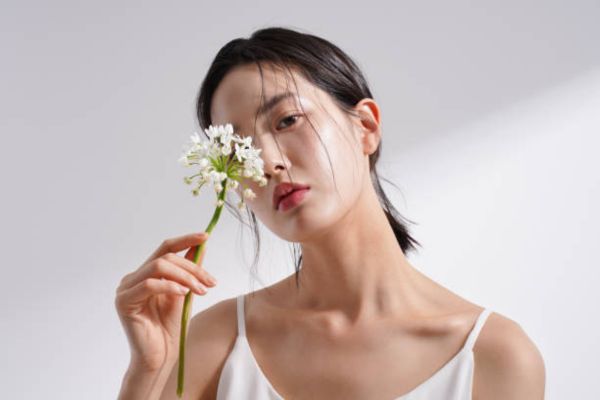
If you prefer a simple, fresh-faced look or a bold, glamorous appearance, learning about various makeup styles allows you to use products more effectively and confidently. As beauty trends continue to evolve, experimenting with different makeup techniques can help you discover what works best for your individual style and personality.
Also read: How to Make Lipstick at Home | Natural and Chemical Free DIY