
Your skin barrier is one of the most important parts of your skin, yet many people do not realize its importance until problems start appearing. Dryness, redness, irritation, sensitivity, breakouts, and a tight feeling after cleansing are often signs that your skin barrier is struggling.

In recent years, skincare experts have shifted their focus from using multiple active ingredients to protecting and repairing the skin barrier. This approach has become even more important in 2026 as people increasingly use strong skincare products that can weaken the skin’s natural defenses.
If you are searching for how to repair skin barrier, this guide covers everything you need to know, including causes, symptoms, recovery methods, ingredients to use, ingredients to avoid, recovery timelines, and preventive tips.
What Is the Skin Barrier?
The skin barrier, also called the moisture barrier or protective barrier, is the outermost layer of your skin. It serves as a shield between your body and the outside environment.
This layer is made up of skin cells, natural oils, cholesterol, fatty acids, and ceramides that work together to protect the skin.
A healthy skin barrier helps:
- Prevent moisture loss
- Protect against bacteria and viruses
- Defend against pollution
- Reduce irritation
- Maintain skin hydration
- Support skin healing
- Keep skin smooth and soft
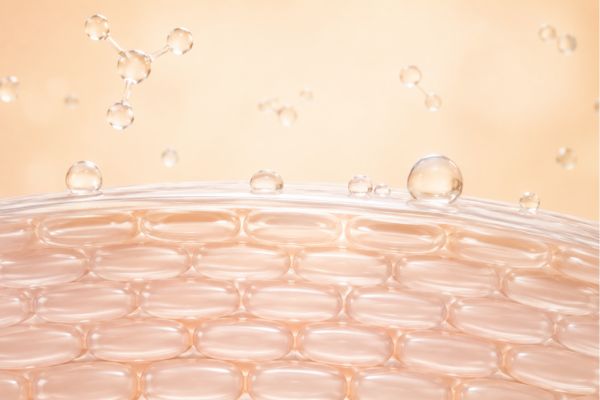
Think of the skin barrier as a wall made of bricks and cement. The skin cells act as bricks, while lipids and ceramides act as the cement that holds everything together. When this structure becomes damaged, the skin loses water and becomes vulnerable to irritation.
Why Is Skin Barrier Health Important?
Many common skin concerns can be linked to a weakened skin barrier.
A damaged barrier may contribute to:
- Chronic dryness
- Skin sensitivity
- Redness
- Acne flare-ups
- Itching
- Inflammation
- Rough texture
- Premature aging
No matter your skin type—oily, dry, combination, or sensitive—a healthy skin barrier is essential for maintaining balanced skin.
Even the best serums and treatments may not work effectively if the barrier is damaged.
How Does the Skin Barrier Become Damaged?
Understanding the root causes of barrier damage is the first step in learning how to repair skin barrier and prevent future problems.
1. Over-Exfoliation
One of the most common reasons for barrier damage is excessive exfoliation.
Many people use:
- Face scrubs
- Glycolic acid
- Salicylic acid
- Lactic acid
- Chemical peels
Using these products too frequently can remove protective lipids and weaken the skin.
2. Overuse of Active Ingredients
Ingredients such as retinol, benzoyl peroxide, and strong vitamin C formulations can irritate when introduced too quickly or used excessively.
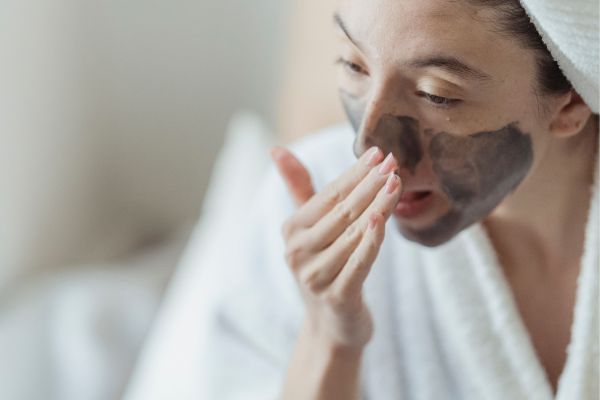
3. Harsh Cleansers
Cleansers that contain strong detergents can strip away natural oils and leave skin vulnerable.
4. Excessive Face Washing
Washing your face too often may remove essential moisture and disrupt the skin’s balance.
5. Environmental Stressors
Daily exposure to environmental factors can gradually damage the skin barrier.
Examples include:
- Sun exposure
- Pollution
- Wind
- Cold weather
- Dry air
- Air conditioning
6. Lack of Sleep and Stress
The skin repairs itself while you sleep. Poor sleep quality and chronic stress can slow down this repair process.
Signs of a Damaged Skin Barrier
Many people confuse a damaged barrier with simple dry skin, which makes it harder to know exactly how to repair skin barrier.
Here are the most common symptoms:
1. Skin Feels Tight
Your face feels stretched or uncomfortable after cleansing.
2. Persistent Dryness
Moisturizer provides only temporary relief.
3. Increased Sensitivity
Products that never bothered your skin before suddenly sting or burn.
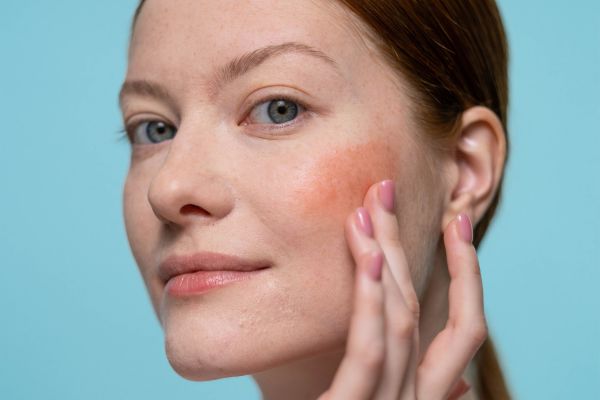
4. Redness and Inflammation
Visible redness appears around the cheeks, nose, or forehead.
5. Itching
The skin feels irritated and itchy throughout the day.
6. Flaking and Peeling
Dead skin cells become visible on the surface.
7. Frequent Breakouts
Inflammation and irritation can trigger acne.
8. Dull Appearance
The skin loses its natural glow and looks tired. If you experience multiple symptoms at the same time, your skin barrier may need immediate attention.
How to Repair Skin Barrier Successfully
Repairing the skin barrier requires patience and consistency. The goal is to reduce irritation and support the skin’s natural healing process.
Step 1: Simplify Your Skincare Routine
When your skin barrier is damaged, avoid using too many products. A simple routine often works best.
Focus on:
- Gentle cleanser
- Moisturizer
- Sunscreen
This approach allows the skin to recover without additional stress.
Step 2: Switch to a Gentle Cleanser
Your cleanser should remove dirt without stripping away natural oils.
Look for:
- Sulfate-free formulas
- Fragrance-free products
- Cream-based cleansers
- Hydrating cleansers
Avoid products that leave your skin feeling squeaky clean, as this often indicates over-cleansing.
Step 3: Use a Barrier-Repair Moisturizer
A high-quality moisturizer plays a major role in skin barrier recovery.
It helps:
- Lock in moisture
- Reduce water loss
- Strengthen skin defenses
- Improve comfort

Apply moisturizer immediately after cleansing while your skin is slightly damp.
Step 4: Pause Strong Active Ingredients
While repairing your skin barrier, temporarily reduce products containing:
- Retinol
- Retinoids
- Benzoyl peroxide
- Glycolic acid
- Salicylic acid
- Strong exfoliants
Once your skin feels healthy again, gradually reintroduce these ingredients.
Step 5: Protect Your Skin with Sunscreen
Sun exposure can worsen barrier damage and increase inflammation.
Choose:
- SPF 30 or higher
- Broad-spectrum protection
- Sensitive skin formulas
Apply sunscreen every morning, even on cloudy days.
Step 6: Support Skin Repair from Within
Healthy skin starts with healthy habits.
Stay Hydrated
Drink sufficient water throughout the day.
Eat Skin-Friendly Foods
Include foods rich in:
- Omega-3 fatty acids
- Vitamins A, C, D, and E
- Zinc
- Protein

Examples include:
- Salmon
- Walnuts
- Eggs
- Fruits
- Leafy vegetables
Sleep Well
Aim for 7–9 hours of quality sleep each night.
Manage Stress
Stress can increase inflammation and delay skin healing. Activities such as walking, meditation, and yoga can help.
Best Ingredients for Skin Barrier Repair
When looking at how to repair skin barrier damage, certain ingredients are especially effective at supporting skin recovery.
1. Ceramides
Ceramides are naturally present in the skin and help rebuild damaged areas.
Benefits include:
- Improved hydration
- Reduced sensitivity
- Stronger skin barrier
2. Hyaluronic Acid
This ingredient attracts water and helps maintain skin moisture.
3. Niacinamide
Niacinamide supports barrier function and reduces redness.
4. Glycerin
A powerful humectant that draws moisture into the skin.
5. Panthenol
Also known as Vitamin B5, panthenol soothes irritated skin and promotes healing.
6. Squalane
Squalane strengthens the skin barrier while preventing moisture loss.
7. Centella Asiatica
Widely used in Korean skincare, Centella helps calm inflammation and support recovery.
8. Oat Extract
Known for its soothing and anti-irritation properties.
Skincare Ingredients to Avoid During Recovery
To speed up healing, avoid products containing:
1. High Concentrations of Alcohol
These may dry out the skin.
2. Strong Fragrances
Fragrance can irritate sensitive skin.
3. Physical Scrubs
Harsh scrubbing can worsen damage.
4. Excessive Acids
Avoid frequent exfoliation until the skin recovers.
5. Harsh Acne Treatments
Strong acne products can further weaken the barrier.
How Long Does It Take to Repair a Skin Barrier?
When learning how to repair skin barrier damage, keep in mind that recovery time depends on the severity of the damage.
| Damage Level | Recovery Time |
| Mild Damage | 1–2 Weeks |
| Moderate Damage | 3–6 Weeks |
| Significant Damage | 2–3 Months or Longer |
Consistency is essential. Frequently changing products can slow the healing process.
Can Oily Skin Have a Damaged Skin Barrier?
Yes, even oily skin can become dehydrated and sensitive, despite what many people believe.
When the barrier is damaged:
- Oil production may increase
- Breakouts can become more frequent
- Skin may feel both oily and dry
Barrier repair is important for all skin types.
Can a Damaged Skin Barrier Cause Acne?
Absolutely. When the skin barrier is weakened, it becomes highly permeable, allowing irritants and bacteria to penetrate easily and trigger inflammation.
This inflammation may contribute to:
- Whiteheads
- Blackheads
- Red pimples
- Persistent acne

Many people accidentally worsen acne by overusing drying treatments instead of focusing on barrier repair.
Mistakes to Avoid While Repairing Your Skin Barrier
Avoid these common errors:
1. Using Too Many Products
Complex routines often irritate already damaged skin.
2. Over-Exfoliating
More exfoliation does not mean better skin.
3. Changing Products Frequently
The skin needs time to adapt and recover.
4. Using Hot Water
Hot water strips natural oils.
5. Skipping Moisturizer
Even oily skin needs proper hydration.
6. Ignoring Sunscreen
UV exposure slows healing.
How to Prevent Future Skin Barrier Damage
Once your skin recovers, maintaining barrier health becomes easier.
Follow these habits:
- Use gentle cleansers
- Moisturize daily
- Wear sunscreen every day
- Exfoliate in moderation
- Introduce active ingredients slowly
- Avoid over-cleansing
- Stay hydrated
- Get enough sleep
These simple practices help keep your skin healthy year-round.
When Should You Visit a Dermatologist?
Seek professional advice if:
- Symptoms persist for several weeks
- Burning sensations become severe
- Redness continues to worsen
- Painful rashes develop
- Over-the-counter products do not help
A dermatologist can identify underlying conditions and recommend targeted treatments.
You may also like: Top 10 Benefits of Niacinamide Serum | Why Everyone Is Obsessed With It Right Now
FAQs | How to Repair Skin Barrier
Q.1 What is the fastest way to heal a damaged skin barrier?
The fastest way to heal a damaged skin barrier is to simplify your skincare routine, use a gentle moisturizer with ceramides, and avoid harsh exfoliants or active ingredients. Consistent hydration and daily sunscreen use can help the skin recover within a few weeks.
Q.2 How long does it take for the skin barrier to repair?
A damaged skin barrier usually takes 2 to 6 weeks to heal with proper skincare and protection. Healing time can vary depending on the severity of the damage and your skin type.
Q.3 Can a skin barrier heal itself?
Yes, the skin barrier can heal itself naturally over time. Using gentle skincare products and avoiding irritants can help speed up the healing process.
Q.4 What heals damaged skin quickly?
A gentle moisturizer with ceramides, hyaluronic acid, and fatty acids can help heal damaged skin quickly. Avoid harsh products and use sunscreen daily to support faster recovery.
Q.5 What is the best moisturizer for skin barrier repair?
The best moisturizer for skin barrier repair contains ceramides, hyaluronic acid, and fatty acids to restore moisture and strengthen the skin. Fragrance-free formulas are often the gentlest and most effective for damaged skin.
Q.6 What do dermatologists recommend for a damaged skin barrier?
Dermatologists recommend using a gentle cleanser, a ceramide-rich moisturizer, and daily sunscreen to support skin barrier repair. They also advise avoiding harsh exfoliants, strong acids, and over-cleansing until the skin heals.
Conclusion | How to Repair Skin Barrier
Learning how to repair skin barrier is one of the most valuable steps you can take for long-term health. A strong barrier protects against moisture loss, environmental damage, irritation, and inflammation. When it is compromised, prioritizing its recovery is essential to restoring your skin’s natural resilience.

To effectively heal a damaged barrier, focus on a simple routine using gentle products and daily sunscreen. Prioritize nourishing ingredients like ceramides and niacinamide while strictly avoiding harsh treatments. With consistency, patience, and the right habits, your skin can fully regain its strength, health, and natural glow.
Also read: Types of Eye Makeup | Find the Perfect Look for Any Event