
Caring for your skin is not only about investing in pricey products; it also means investing in the correct products. One of the latest skincare fads nowadays is fragrance-free skincare. It has been noted that there are many people who are now beginning to realize that either natural or synthetic fragrances can actually cause more damage than good.
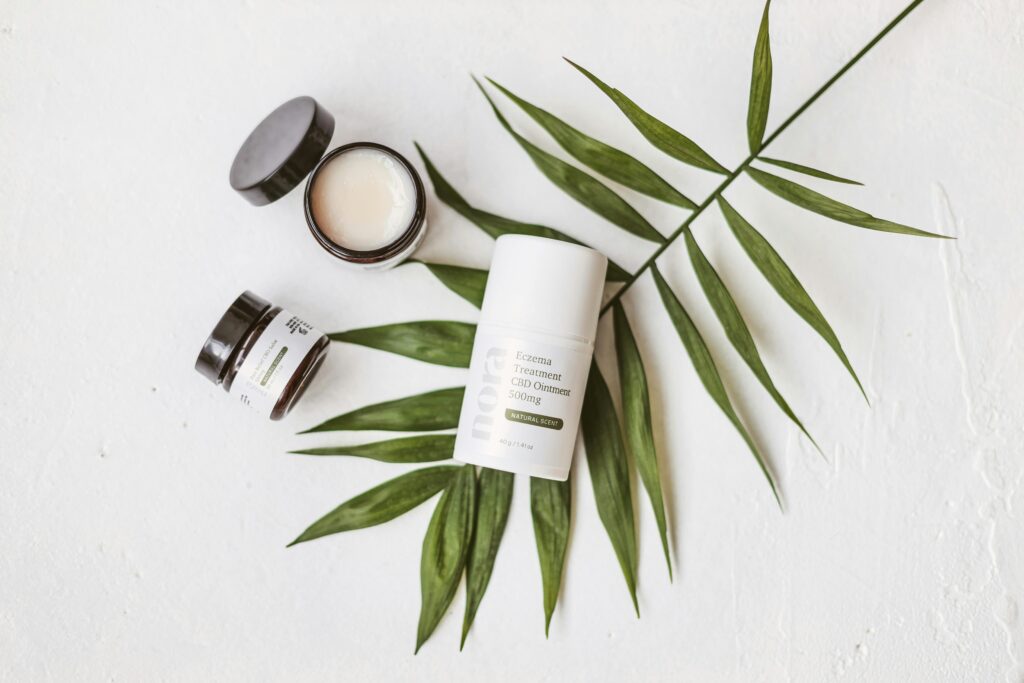
This article will provide all the necessary information regarding fragrance-free skincare.
What is Fragrance Free Skincare?
Skincare without fragrance refers to skin care products that lack any form of artificial or natural oils meant for the fragrance of the product.
In other words:
- No perfume added for the scent.
- No masking fragrance.
- No natural essential oil added for scent.
It is worth noting that:
- Some products may still have an odor owing to the nature of ingredients.
- Fragrance-free skincare differs from unscented products.
Unscented products may still contain chemicals that mask odors, while fragrance-free skincare contains no added fragrance at all.
Harmfulness of Adding Fragrance to Skincare Products
While fragrance may add nice scents to products, it does not bring anything beneficial for your skin. Rather, it can lead to a number of problems.
Problems that May Be Caused by Fragrance Ingredients:
- Irritation of the skin
- Itching
- Allergic reactions
- Acne
- Sensitivity of the skin in the long run
Fragrance ingredients can weaken your skin barrier over time, especially if you have sensitive or acne-prone skin.
Who Would Benefit from Fragrance Free Skincare?
While everyone can use it, it is even more critical for some specific skin types.
Best for:
- Sensitive skin – gets irritated by skincare products.
- Acne skin type – lower risks of irritation.
- Dry skin – assists in keeping the skin barrier healthy.
- Skin prone to rosacea or eczema
- People who use retinol or acids as active ingredients
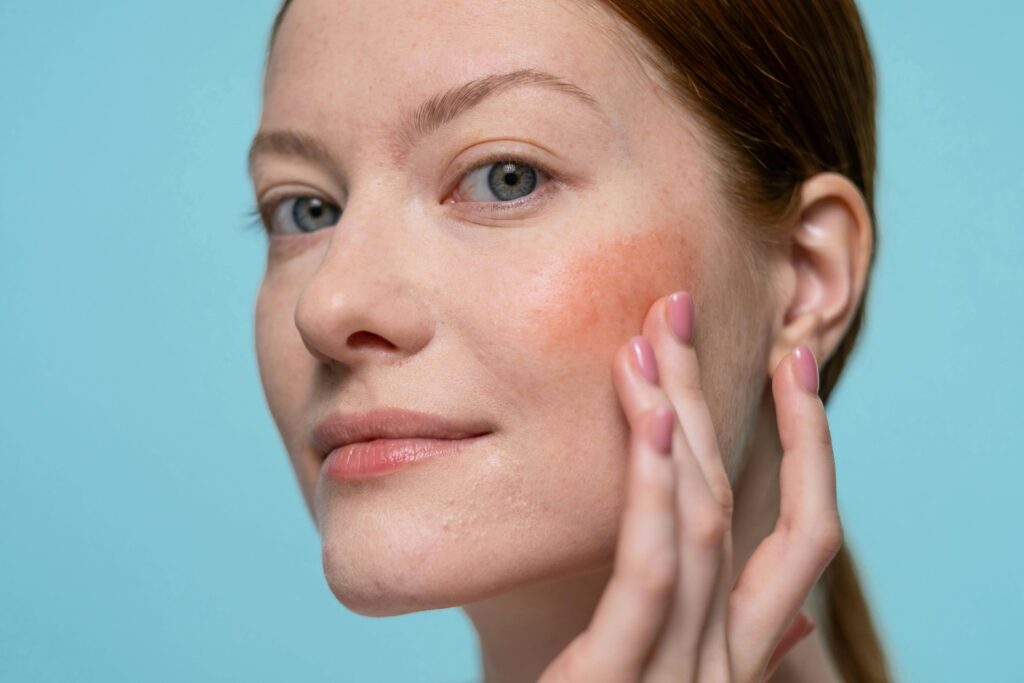
If you have a normal skin type, using fragrance-free products will prevent any future issues with it.
Fragrance Free vs. Natural Fragrance – Which One Is Better?
Natural fragrances are considered to be safer compared to synthetic fragrances, but it is not the case, as they also contain very powerful ingredients that influence the skin negatively.
Natural Fragrance (e.g., essential oils):
- May cause irritation and redness.
- May cause allergies in the long run.
- Strong ingredients may damage the skin barrier.
- Increase sensitivity to sunlight in some cases (citrus oils).
Fragrance Free Skincare:
- There is no fragrance added.
- Gentle and safe for sensitive skin.
- Low chances of irritation and allergy development.
- Better skin condition and health.
Which one is better?
Natural doesn’t always mean safe. Although natural fragrance is luxurious and smells great, it can:
- Irritate the skin.
- Cause allergic reactions.
- Damage the skin barrier over a long period of time.
But the right choice of product for you would be a fragrance free one as it:
- Safeguards your skin
- Makes it less sensitive
- Supports long-term skin health
Advantages of Fragrance-Free Skincare
Moving to using fragrance free skincare products will certainly be beneficial for the state and condition of your skin. These skincare products are not meant to please your sense of smell but rather are concerned about the well-being of your skin. The following are the advantages of fragrance free skincare products:
1. Decreased Skin Irritation
Since there are no fragrances used in these products, it is possible to reduce skin irritation.
- Aids in the prevention of redness, itching, and a burning sensation.
- Recommended for use in case of having irritated skin.
- Will keep your skin relaxed all day long, reducing the risk of breakouts due to skin irritation.
2. Protects Skin Barrier
The skin barrier plays a significant role in protecting your skin.
- Fragrance products may damage the skin barrier.
- Fragrance free products can repair and protect the skin barrier.
3. Safe For Daily Use
Products without any fragrance are mild enough to use everyday.
- Can be used in both morning and night routines.
- There is no harm done due to prolonged usage.
- Suitable for all types of skin, even dry and acne-prone skin.
4. Better for Sensitive Skin
If you have sensitive skin, it is better to opt for fragrance-free products.
- Reduces triggers that lead to skin irritation and inflammation.
- Reduces the likelihood of allergic reactions.
- Relieves skin that has already been irritated and damaged.
5. Works Better With Active Ingredients
The use of active ingredients often makes your skin sensitive, so you should avoid fragrance.
- Decreases irritation in case of usage of Vitamin C, Retinol, and other acids
- Increases the effectiveness of active ingredients
- Does not cause over-sensitization of your skin
General Note: The usage of fragrance-free products makes your skincare regimen easier, safer, and concentrated on the long-term results, not sensations.
How to Identify Fragrance-Free Products
Choosing the right skincare product is not just about attractive packaging—it’s about understanding what’s inside. If you want to follow a fragrance free skincare routine, learning how to read labels carefully is very important.
1. Review the Front Labeling Closely
First, examine the label on the front of the product. Watch for the following labels:
- “Fragrance Free”
- “No Fragrance Added”
- “Does Not Contain Perfume”
These labels indicate that no additional fragrances have been added to the product. However, take note that labeling such as “natural,” “herbal,” or “clean” does not guarantee fragrance-free. These products may contain essential oils for fragrance.
2. Read the Ingredient List Every Time
The ingredient list tells the whole story. Be on the lookout for these fragrance-related ingredients:
- Parfum
- Perfume
- Fragrance
These are general terms used to cover up several scents combined, and the companies don’t disclose the contents.
3. Beware of Essential Oils
Despite being natural, these products can still have essential oils which function as fragrance.
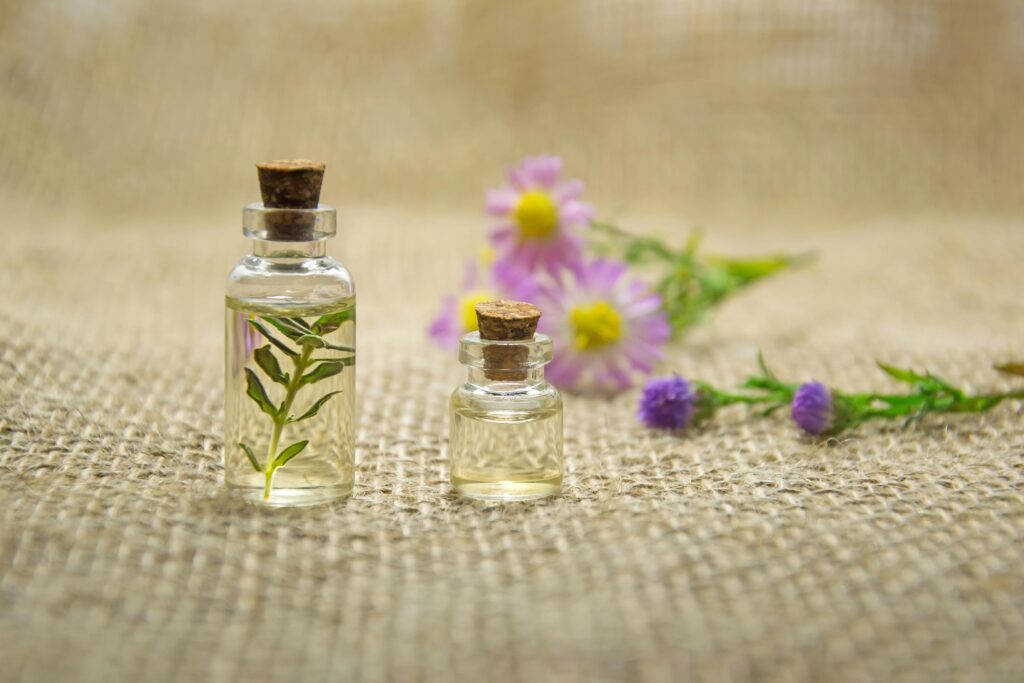
Examples include:
- Lavender oil
- Citrus oils like lemon or orange oils
- Rose oil
- Eucalyptus oil
The presence of these ingredients for fragrance purposes makes the product not fragrance-free.
4. Be Clear on the Distinction Between Fragrance Free and Unscented Products
This is where many people get confused.
- Fragrance Free: The absence of any fragrance
- Unscented: May have chemicals to neutralize the smell.
Therefore, unscented products are likely to irritate your skin.
5. Choose Minimal and Simple Formulations
Fragrance-free products have:
- Brevity in ingredients
- Skin-friendly ingredients
- No unnecessary ingredients
Simplicity in formulations is usually better for skin health.
6. Do a Patch Test
Even if a product claims to be fragrance-free, you can never be too cautious and should do a patch test before using it.
- Put a tiny bit on your wrist or behind your ears.
- Wait for 24 hours
- See if there is any irritation.
7. Be Careful About Package Labeling
Companies may try to mislead you with their packaging. Don’t forget:
- Good-looking packages don’t mean that something is safe
- “Dermatologically tested” does not mean it is fragrance-free
- The ingredients’ list is your best bet.
To follow a proper fragrance free skincare routine, always combine label reading with ingredient awareness. This small habit can protect your skin from irritation and help you choose products that truly support healthy, calm, and balanced skin.
Misconceptions on Fragrance Free Skincare
Some of the misconceptions associated with fragrance free skincare include:
Myth 1: Fragrance Free Means No Smell
Reality: The products may have some natural scent.
- The scent is derived from the ingredients that are used to formulate the skincare products.
- It is derived from some raw materials such as the plant extracts that are used for the skin benefits.
Myth 2: Fragrance-Free Products Are Not Fun
Truth: They are highly effective and are centered on skin care rather than experience alone.
- They are formulated to achieve tangible benefits such as hydration, repair, and protection.
- Fragrance-free products come in more sophisticated formulas with potent actives.
Myth 3: Natural Fragrance is Always Safe
Truth: Even natural ingredients might irritate your skin.
- There are powerful components in essential oils that can trigger sensitization and even allergies.
- There are natural fragrances that can harm the skin barrier function over time.
Myth 4: It Is Needed Only For Sensitive Skin
Truth: Any skin type will benefit from fragrance-free products.
- Normal or oily skin can have irritation caused by the fragrance over time.
- The usage of fragrance-free products prevents future problems.
Knowing about these myths allows making correct decisions. Fragrance free skincare is not only for sensitive skin; it is an excellent choice for any individual wanting healthy and well-balanced skin.
Building a Fragrance-Free Skincare Routine
Creating a simple and effective routine is easy. Follow the below steps to make best routine for yourself:
Step 1: Cleanser
Choose a gentle, fragrance-free cleanser.
Benefits:
- Removes dirt without irritation
- Maintains skin balance
Step 2: Toner
Use a soothing toner if needed.
Look for:
- Hydrating ingredients
- Alcohol-free formula
Step 3: Serum
Pick serums based on your skin concerns.
Examples:
- Vitamin C for brightness
- Niacinamide for oil control
- Hyaluronic acid for hydration
Step 4: Moisturizer
A fragrance-free moisturizer is essential.
It helps:
- Lock in moisture
- Repair skin barrier
Step 5: Sunscreen (Morning Routine)
Always use sunscreen.
Choose:
- Fragrance free SPF
- Lightweight and non-greasy formula
Daytime and Night-Time routine with Fragrance-Free Skincare Products
Your skin requires protection during daytime and needs healing at night-time, which is why the two routines are slightly different.
Daytime Routine (Protection)
- Cleanser: Cleanses oil from skin and revitalizes
- Moisturizer: Hydrates and protects your skin
- Sunscreen: Protects from sun rays and skin damage
Night-Time Routine (Recovery)
- Cleanser: Cleanses dirt and pollutants
- Serum: Treats skin issues and regenerates skin
- Moisturizer: Hydrates and heals skin
Key Difference: Morning = protection, Night = repair and recovery.
Ingredients to Look for in Fragrance-Free Skincare
Just as much as knowing which ingredients you should avoid, it is equally essential to know which ingredients you should look out for in your products. The main reason why people prefer to use fragrance-free skincare products is to hydrate, nourish, and restore the integrity of their skin.
1. Hydrating Ingredients
These are ingredients that help your skin remain hydrated and supple.
- Hyaluronic Acid – Locks in moisture.
- Glycerin – Helps retain moisture and prevents dehydration.
- Aloe Vera – Moisturizes and soothes the skin.
These are some of the best ingredients for dehydrated skin.
2. Soothing Ingredients
Soothing ingredients relieve irritation and help to prevent redness.
- Centella Asiatica – Aids in healing and soothing irritated skin.
- Chamomile – Calms inflammation and irritation.
- Oat Extract (Colloidal Oatmeal) – Soothes irritation and dryness Perfect for sensitive, irritated, or acne-prone skin.
3. Repairing Ingredients
Repairing ingredients are responsible for reinforcing your skin barrier and ensuring skin health.
- Ceramides – Help reinforce the skin barrier.
- Niacinamide – Provides anti-inflammatory action, regulates oil production and prevents redness.
- Peptides – Encourage skin repair and increase elasticity.
These are essential for maintaining strong and healthy skin.
4. Antioxidant Skin Care Ingredients
Antioxidants protect your skin against the environment.
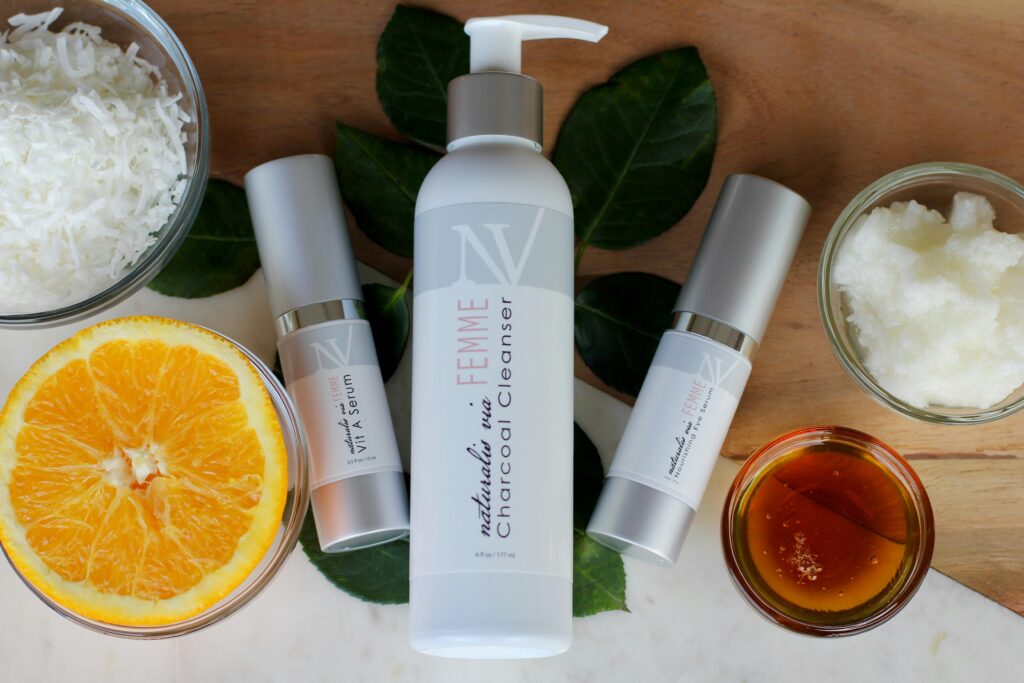
- Vitamin C – Evens out skin tone and acts against free radicals.
- Vitamin E – Nourishes skin and aids healing.
- Ferulic Acid – Boosts the effectiveness of – Helps fight signs of aging. Excellent for dull skin and preventing premature aging.
5. Gentle Exfoliating Ingredients
Gentle exfoliating ingredients are ideal for skin renewal.
- Lactic Acid – Gently exfoliates and hydrates.
- Mandelic Acid – Good for sensitive skin
- PHA (Polyhydroxy Acids) – Highly gentle exfoliation. Skin texture and glow enhancer.
These ingredients support healthy, glowing skin without irritation. When choosing fragrance-free skincare, look for products that combine hydration, soothing, and repair.
Other Ingredients to Avoid Apart from Fragrance
Even when you decide to go fragrance-free with your skincare products, there are other ingredients that you should also avoid as they may hurt your skin.
1. Alcohol (High Concentration)
There are various alcohols but only some are dangerous to the skin due to their harshness.
- Denatured alcohol, ethanol, and isopropyl alcohol are some of those you need to avoid.
- They will dehydrate your skin and cause irritation.
- May cause dryness, irritation, and increased sensitivity
Fatty alcohols like cetyl or stearyl alcohol are good and harmless to the skin.
2. Harsh Sulfates
However, sulfates work as cleansers, though harsh sulfates may be too strong for the skin.
- Most common types to be avoided: SLS (sodium lauryl sulfate) and SLES (sodium laureth sulfate)
- Are likely to wash away your skin’s natural oils
- Can make you experience dryness, tightness, and irritation
Choose gentle sulfates-free cleansers instead.
3. Artificial Colors (colorants)
Artificial coloring is used to improve the aesthetic appearance of the product but doesn’t do any good for your skin.
- Cause irritation or allergic reactions.
- Do not affect the efficacy of the product.
- Can provoke sensitivity of the skin.
Fragrance-free skin care does not always exclude artificial colors.
4. Other Ingredients to Be Careful With
Despite a product being fragrance-free, watch out for the following:
- Parabens (in some cases) – which may cause sensitivity in certain individuals.
- Strong preservatives (in high amounts) – which may irritate sensitive skin.
For an ideal gentle routine, make sure that the products you use are not only fragrance-free, but also do not contain any harsh ingredients.
Suggestions for Switching to Fragrance-Free Skincare Products
If you are a beginner with regards to using fragrance-free products for your skin, then the best thing to do is to switch to these products in an intelligent manner rather than going for drastic changes right away.
1. Start Slowly
- It is better to start with the process slowly than to change everything that you have been using until now at once.
- You should first introduce yourself to the most important products, like cleanser or moisturizer.
A slow transition is always safer and more effective.
2. Perform a Patch Test
The patch test of the product is very important for your safety.
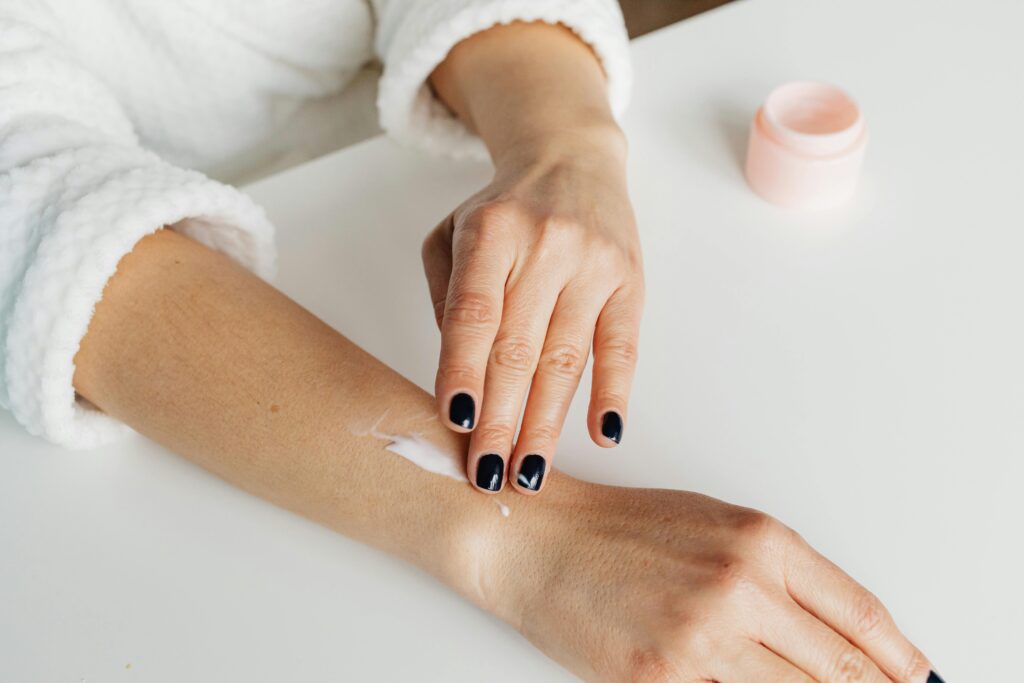
- Apply a little bit of the product to the areas such as your wrist, jawline, or behind your ears.
- Wait for 24 hours to see whether there is any sort of reaction on your skin.
Even fragrance-free products can contain ingredients your skin may react to.
3. Be Patient
Your skin needs time to adapt to new products.
- You may not see results immediately.
- Skin can take a few weeks to improve.
Avoid switching products too quickly if you don’t see instant results.
4. Keep Your Routine Simple
Using too many products at once can confuse your skin.
- Stick to basic steps: cleanser, moisturizer, sunscreen (morning)
- Add serums or treatments only when needed
A minimal routine helps your skin stay balanced and healthy.
5. Observe Your Skin’s Reaction
Pay attention to how your skin responds.
- Notice improvements in texture, hydration, and calmness
- Watch for any irritation or discomfort.
Your skin will guide you on what works best.
Switching to fragrance free skincare is a smart step toward healthier skin, but patience and consistency are important.
Best Practices for Healthy Skin
Using fragrance-freeskincare is an important step, but healthy skin also depends on your daily habits and lifestyle.
1. Drink Enough Water
Hydration plays a key role in skin health.

- Helps keep your skin soft and plump
- Prevents dryness and dullness
Aim to drink enough water throughout the day to keep your skin hydrated from within.
2. Eat a Balanced Diet
What you eat directly affects your skin.
- Include fruits and vegetables rich in vitamins and antioxidants.
- Healthy fats (like nuts and seeds) help maintain skin moisture.
A balanced diet helps your skin stay clear and healthy.
3. Get Enough Sleep
Sleep is essential for skin repair.
- Your skin heals and renews itself at night.
- Lack of sleep can cause dullness and dark circles issues
Try to get 7–8 hours of quality sleep daily.
4. Avoid Touching Your Face Frequently
This is a simple but very important habit.
- Hands carry dirt, oil, and bacteria.
- Touching your face can lead to breakouts and irritation.
Keep your hands away from your face as much as possible.
5. Stay Consistent with Your Routine
Consistency is key to visible results.
6. Protect Your Skin from Sun Exposure
Sun protection is essential for healthy skin.
- Always use sunscreen during the day.
- Helps prevent tanning, pigmentation, and early aging.
7. Manage Stress
Stress can affect your skin more than you think.
- Can lead to acne, dullness, or sensitivity
- Affects your body’s natural balance
Good habits support your skincare routine. When you combine fragrance-free skincare with a healthy lifestyle, your skin becomes naturally stronger, clearer, and more radiant over time.
Is Fragrance Free Skincare Worth It?
Yes, absolutely. While fragrance can make skincare products smell pleasant and feel luxurious, it doesn’t provide any real benefit to your skin. In fact, it can sometimes do more harm than good, especially for sensitive or acne-prone skin.
Why It’s Worth Choosing Fragrance Free Skincare
1. Focus on Skin Health
- No added fragrance means fewer chances of irritation.
- Supports your skin’s natural barrier
2. Better Protection
- Reduces exposure to potential allergens and irritants
- Keeps your skin safe from redness, itching, or reactions
- Works well even for sensitive and problem-prone skin
3. Delivers Long-Term Results
- Improves skin texture and hydration over time
- Prevents damage caused by harsh or unnecessary ingredients
4. Suitable for All Skin Types
- Works for sensitive, dry, oily, and combination skin
- Even if your skin is normal, it helps prevent future your skincare routine gentle and safe
You may also like: Blush Draping Technique | 6 Steps to Get Instant Cheekbone Lift
FAQs | Fragrance Free Skincare
Q.1 What is fragrance-free in skincare?
Fragrance-free in skincare means the product contains no added perfumes, scents, or fragrance ingredients—neither synthetic nor natural.
It is designed to reduce irritation and is ideal for sensitive or easily reactive skin.
Q.2 Is fragrance-free good for skin?
Yes, fragrance-free skincare is good for your skin because it reduces the risk of irritation, redness, and allergies.
It is especially beneficial for sensitive skin and helps maintain a healthy skin barrier.
Q.3 Is ordinary fragrance-free?
Yes, The Ordinary products are generally fragrance-free, meaning they do not contain added perfumes or scent ingredients. However, some products may still have a mild natural smell due to their ingredients, not added fragrance.
Q.4 How to know if a skincare product has fragrance?
Check the ingredient list—if you see words like “fragrance,” “parfume,” or essential oils, it contains fragrance. Also look for labels like “fragrance-free” (no added scent) vs “unscented” (may still have masking fragrance).
Q.5 Is Dove body wash fragrance-free?
No, most regular Dove body washes (like “Sensitive Skin”) still contain fragrance/perfume in the ingredients. However, some variants like “Ultra Sensitive Body Wash” are truly fragrance-free, so you need to check the specific product label.
Q.6 What is the best unscented body wash?
The best unscented body wash is Vanicream Gentle Body Wash, as it has minimal ingredients and is ideal for very sensitive skin.
Other great options include Aveeno Skin Relief Fragrance-Free Body Wash and Cetaphil Ultra Gentle Body Wash Fragrance Free, which gently cleanse and hydrate without irritation.
Conclusion | Fragrance Free Skincare
In today’s skincare world, simplicity and safety matter more than ever. Fragrance free skincare is not just a trend—it’s a smart way to take care of your skin without exposing it to unnecessary irritants.

By avoiding added fragrance, you allow your skin to heal, repair, and function naturally. This helps reduce irritation, improves your skin barrier, and supports a healthier, more balanced complexion over time. No matter if you have sensitive skin or simply want to avoid future problems, choosing fragrance free products can make a noticeable difference.
With time and proper care, your skin will become calmer, stronger, and naturally glowing.
Also read: Korean Skincare in India | How K-Beauty is Transforming the Indian Glow