
Dealing with dark spots can be frustrating, but the way you treat your skin naturally determines whether those spots fade away or stick around. Unlike harsh chemical treatments, natural remedies focus on healing and brightening your skin from the inside out using gentle ingredients.

If you want to achieve a clear, glowing complexion without using heavy chemicals, learning how to remove dark spots naturally on face is the first step toward skin confidence.
What Are Dark Spots on the Face?
Dark spots, also known as hyperpigmentation, are areas of skin that become darker than the surrounding skin. This happens when the skin produces excess melanin, the pigment responsible for skin color.
These spots can appear in small patches or larger areas and are common on the cheeks, forehead, chin, and nose.
Common Types of Dark Spots
- Acne marks
- Sunspots
- Age spots
- Melasma
- Post-inflammatory hyperpigmentation
Some dark spots fade naturally over time, while others may stay for months if not treated properly.
What Causes Dark Spots on the Face?
Before learning how to remove dark spots naturally on face, it is important to understand why they appear in the first place. Dark spots develop when the skin produces excess melanin in certain areas.
This extra pigmentation can happen because of several reasons, and identifying the root cause helps in choosing the right treatment.
Common Causes of Dark Spots
1. Sun Exposure (Solar Lentigines)
The sun is the leading cause of dark spots. When your skin is exposed to UV rays, it triggers melanocytes (pigment-producing cells) to produce melanin as a defense mechanism to protect the skin from burning.
- The Process: While a tan is a temporary increase in melanin, repeated long-term exposure causes “clumping” of pigment or a permanent overproduction in certain areas.
- Result: These are often called sunspots, age spots, or liver spots. They typically appear on areas most exposed to the sun, such as the face, hands, and shoulders.
2. Post-Inflammatory Hyperpigmentation (Acne Marks)
This is the dark “ghost” of a blemish that remains after the actual pimple has healed.
- The Process: When the skin is injured (by an acne lesion or by squeezing a pimple), it becomes inflamed. As the skin works to heal the wound, it can overproduce melanin.

- Aggravation: Picking or squeezing acne increases the trauma to the tissue, making the resulting dark spot deeper and much harder to fade.
3. Hormonal Changes (Melasma)
Often referred to as the “mask of pregnancy,” melasma is a specific type of hyperpigmentation triggered by hormonal shifts.
- The Process: Estrogen and progesterone can stimulate the overproduction of melanin when the skin is exposed to sunlight.
- Common Factors: Pregnancy, birth control pills, and hormone replacement therapy are common triggers. These spots usually appear as symmetrical, blotchy patches on the cheeks, forehead, and upper lip.
4. Aging (Lentigo)
As you age, the number of melanocytes decreases, but the remaining ones increase in size and their distribution becomes more focused.
- The Process: The skin also becomes thinner and less able to repair itself from environmental damage.
- Result: This leads to “age spots,” which are essentially the cumulative result of years of sun exposure finally becoming visible on the surface.
5. Skin Inflammation & Barrier Damage
Inflammation acts as a distress signal that tells the skin to produce pigment.
- The Process: Using harsh chemicals, over-exfoliating, or having conditions like eczema can compromise the skin barrier. When the barrier is damaged, the skin is more vulnerable to irritation and UV rays, leading to protective pigmentation.
- Result: This often manifests as a general dullness or localized patches of “muddiness” in the skin tone.
Key Signs of Hyperpigmentation
- Brown or Black Patches: These are usually flat and can vary in size.
- Uneven Skin Tone: A “mottled” appearance where some areas look significantly darker than others.
- Acne Scars: Specifically the flat, dark spots (not the pitted “ice pick” scars) left behind by breakouts.
- Dull Complexion: When melanin is distributed unevenly across the face, it prevents light from reflecting off the skin, making it look tired or “flat.”

Note: Natural remedies take time, so consistency is key. Always use sunscreen daily; without it, sun exposure can quickly undo your progress and make spots return.
Why Natural Remedies Work for Dark Spots
Many people prefer natural skincare because it is safer and gentler compared to strong chemical treatments. Natural ingredients contain vitamins, minerals, and antioxidants that help repair damaged skin cells.
Below are the reasons why natural remedies work for dark sopts
- Gentle on sensitive skin
- Affordable and easily available
- Improves overall skin texture
- Reduces inflammation naturally
- Gives a healthy glow over time
Natural remedies may take longer to show results, but they support long-term skin health without harsh side effects.
Natural Remedies for Dark Spots
1. Lemon Juice for Skin Brightening
Lemon juice is one of the most popular remedies for people searching for how to remove dark spots naturally on face at home. It contains vitamin C and citric acid that help exfoliate dead skin cells and brighten dark patches.
How to Use Lemon Juice
- Take fresh lemon juice in a bowl.
- Apply it carefully on dark spots using cotton.
- Leave it for 10 minutes.
- Wash with lukewarm water.
Benefits of Lemon Juice
- Helps lighten pigmentation
- Removes excess oil
- Brightens dull skin
- Reduces acne marks
Important Tips
- Do not use sensitive or damaged skin.
- Always apply sunscreen after using lemon.
- Use only 2–3 times a week.
This remedy is helpful for those trying to understand how to remove dark spots naturally on face without expensive treatments.
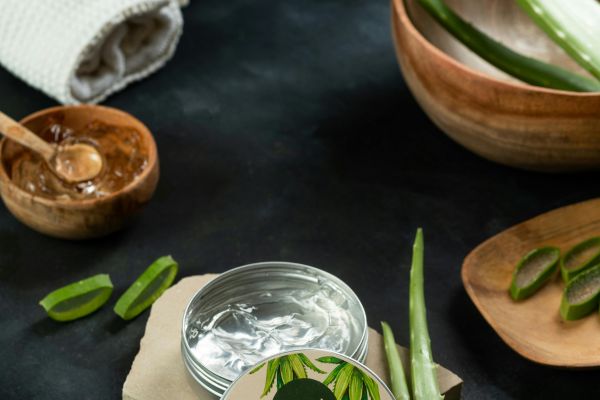
2. Aloe Vera for Naturally Clear Skin
Aloe vera is widely known for its soothing and healing properties. It contains aloin, a natural compound that may help lighten pigmentation gradually.
It also hydrates the skin deeply and repairs damaged skin cells.
How to Apply Aloe Vera
- Extract fresh aloe vera gel.
- Apply directly on the face.
- Leave it overnight.
- Wash your face in the morning.
Benefits of Aloe Vera
- Reduces skin irritation
- Helps fade dark spots
- Improves skin texture
- Gives natural hydration
Using aloe vera daily can support your journey of how to remove dark spots naturally on the face while keeping the skin soft and healthy.
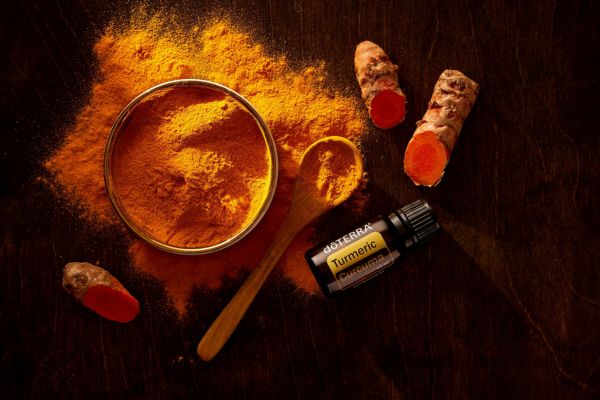
3. Turmeric Face Mask for Glowing Skin
Turmeric has been used in skincare for centuries because of its antibacterial and anti-inflammatory properties. It contains curcumin, which helps reduce pigmentation and brighten the complexion naturally.
DIY Turmeric Face Pack
Ingredients:
- 1 teaspoon turmeric
- 2 teaspoons yogurt
- A few drops of honey
Method:
- Mix all ingredients properly.
- Apply evenly to the face.
- Leave for 15–20 minutes.
- Rinse with cool water.
Benefits of Turmeric:
- Brightens skin naturally
- Reduces acne scars
- Controls excess oil
- Improves skin glow
Turmeric is one of the best ingredients for people searching for natural ways to remove dark spots on face safely.
4. Potato Juice for Pigmentation Removal
Potato juice contains natural enzymes and vitamins that may help reduce pigmentation and uneven skin tone.
This remedy is gentle and suitable for most skin types.
How to Use Potato Juice
- Grate one raw potato.
- Extract the juice.
- Apply to dark areas.
- Leave for 15 minutes before washing.
Benefits of Potato Juice
- Helps reduce tanning
- Brightens dull skin
- Softens skin texture
- Reduces acne marks
Using potato juice regularly may help improve skin clarity naturally.
5. Honey for Soft and Spot-Free Skin
Honey is rich in antioxidants and antibacterial properties that help repair damaged skin and improve complexion.
It also locks moisture into the skin and keeps it healthy.

How to Use Honey
- Apply raw honey directly to the face.
- Leave it for 15 minutes.
- Wash with warm water.
Benefits of Honey
- Gives a natural glow
- Helps reduce pigmentation
- Prevents dryness
- Improves skin softness
Honey works well for people looking for how to remove dark spots naturally on face while maintaining hydration.
6. Apple Cider Vinegar for Exfoliation
Apple cider vinegar contains acetic acid that may help fade dark spots and exfoliate dead skin cells.
However, it should always be diluted before use.

How to Use Apple Cider Vinegar
Ingredients:
- 1 tablespoon apple cider vinegar
- 1 tablespoon water
Method:
- Mix both ingredients.
- Apply using cotton.
- Leave for 2 minutes.
- Wash immediately.
Benefits:
- Removes dead skin buildup
- Improves skin tone
- Controls excess oil
- Brightens pigmentation
This method is useful when learning how to remove dark spots on face through exfoliation.
7. Papaya for Natural Exfoliation
Papaya contains enzymes like papain that help remove dead skin cells and improve complexion naturally.
It also helps in reducing tanning and dullness.
Papaya Face Mask
- Mash ripe papaya properly.
- Apply evenly to the face.
- Leave for 20 minutes.
- Wash thoroughly.
Benefits of Papaya:
- Smoothens rough skin
- Improves skin glow
- Reduces pigmentation
- Helps clear clogged pores
Papaya is an excellent remedy for healthy and radiant skin.
8. Yogurt for Brighter Complexion
Yogurt contains lactic acid that gently exfoliates the skin and removes dead cells naturally.
It also helps improve skin softness and hydration.
How to Use Yogurt
- Apply plain yogurt to the face.
- Leave for 15 minutes.
- Wash with cool water.
Benefits:
- Lightens dark spots
- Improves skin texture
- Adds natural brightness
- Keeps skin fresh
Yogurt is highly beneficial for those searching for how to remove dark spots naturally on face using simple kitchen ingredients.
9. Green Tea for Healthy Skin
Green tea is packed with antioxidants that protect the skin from damage and help reduce pigmentation. It also refreshes tired and dull-looking skin.
How to Use Green Tea
- Brew green tea and let it cool.
- Apply using cotton pads.
- Leave for 10 minutes.
- Rinse with water.
Benefits of Green Tea:
- Fights free radicals
- Reduces inflammation
- Brightens skin tone
- Refreshes the skin
Green tea ice cubes can also help tighten pores naturally.
10. Coconut Oil for Skin Repair
Coconut oil contains vitamin E and fatty acids that repair damaged skin cells and improve dryness-related pigmentation. It is especially beneficial for dry skin types.
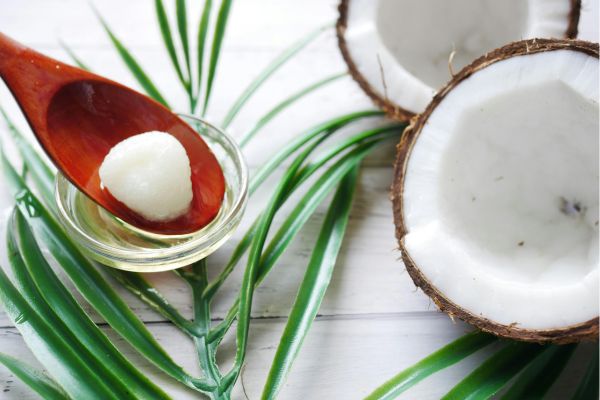
How to Use Coconut Oil
- Massage a few drops before bedtime.
- Leave overnight for best results.
Benefits:
- Repairs the skin barrier
- Deeply moisturizes
- Improves skin softness
- Helps fade mild spots
This remedy supports healthy skin while learning how to remove dark spots naturally on face gently.
11. Sandalwood Paste for Clear Skin
Sandalwood has cooling and skin-brightening properties that help reduce dark spots and soothe irritation. It is widely used in traditional skincare remedies.
DIY Sandalwood Paste
Ingredients:
- 1 tablespoon sandalwood powder
- Rose water

Method:
- Mix both ingredients into a smooth paste.
- Apply evenly.
- Leave for 15 minutes.
- Wash gently.
Benefits:
- Brightens complexion
- Controls excess oil
- Reduces pigmentation
- Soothes redness
Daily Skincare Habits to Prevent Dark Spots
Natural remedies work better when combined with healthy skincare habits. Prevention is equally important while learning how to remove dark spots naturally on the face:
- Eat an Antioxidant-Rich Diet: Consume Vitamin C and leafy greens to support cell regeneration and improve your overall complexion.
- Use Sunscreen Daily: UV rays darken spots and slow healing. Applying SPF is a vital step in how to remove dark spots naturally on face.
- Stay Hydrated: Drink plenty of water to flush out toxins. This helps natural remedies for dark spots work more effectively from within.
- Avoid Touching Pimples: Never pick at acne, as it causes deep tissue damage and long-lasting marks on the skin.
- Remove Makeup Before Bed: Sleeping in makeup clogs pores. Keeping skin clean at night allows it to repair and clear dark spots on face faster.
Foods That Help Remove Dark Spots Naturally
Healthy skin starts from within. A nutritious diet supports skin repair and improves complexion naturally:
Best Foods for Healthy Skin
Vitamin C Rich Foods
- Oranges
- Kiwi
- Strawberries
- Lemon

Antioxidant Foods
- Green tea
- Nuts
- Tomatoes
- Leafy vegetables
Hydrating Foods
- Watermelon
- Cucumber
- Coconut water
Eating healthy foods can enhance the effects of treatments for how to remove dark spots naturally on face.
Mistakes to Avoid While Treating Dark Spots
Many people unknowingly make skincare mistakes that worsen pigmentation instead of improving it:
- Over-exfoliating the skin
- Using harsh chemicals frequently
- Skipping sunscreen
- Trying too many products together
- Popping pimples
Avoiding these habits can speed up the skin’s healing process naturally.
How Long Does It Take to Remove Dark Spots Naturally?
Natural remedies require patience and consistency. Results may vary depending on the severity of pigmentation and skin type.
Expected Timeline
- Mild spots: 4–6 weeks
- Moderate pigmentation: 2–3 months
- Deep marks: Longer treatment needed
Consistency is the key to seeing visible improvement.
You may also like: How to Apply Night Cream on Face | 5 Steps to Wake Up with Glowing Skin
FAQs | How to Remove Dark Spots Naturally on Face
Q.1 What is a 7 day natural dark spot?
A 7-day natural dark spot routine uses home remedies like aloe vera, turmeric, potato juice, or lemon with proper skincare to gradually reduce pigmentation and brighten the skin.
While dark spots may start fading in a week, complete removal usually takes several weeks with consistent care and sun protection.
Q.2 Which oil removes black spots?
Tea tree oil, rosehip oil, and vitamin E oil are commonly used to help reduce black spots and acne marks naturally over time.
These oils may brighten the skin and support healing, but regular use and sunscreen are important for better results.
Q.3 Are dark spots permanent?
No, dark spots are usually not permanent and often fade with proper skincare and treatment.
Using sunscreen daily and maintaining a healthy skincare routine can help reduce them faster.
Q.4 How many months to remove dark spots?
Dark spots may start fading within 1–3 months with consistent skincare and sun protection. Deeper or older spots can take 6 months or longer to fully lighten.
Q.5 What to eat to remove dark spots on your face?
Eat foods rich in vitamin C and antioxidants, such as oranges, berries, tomatoes, spinach, and nuts, to support healthy skin.
Drinking enough water and eating a balanced diet can also help reduce dark spots naturally over time.
Q.6 Which home remedy is best for dark spots?
Aloe vera gel is one of the best home remedies for dark spots as it helps heal skin and lighten pigmentation naturally.
You can also use lemon juice (diluted) or turmeric with honey, but consistency and sunscreen are important for results.
Conclusion | How to Remove Dark Spots Naturally on Face
Mastering how to remove dark spots naturally on face is more than just applying a quick mask; it is about building a sustainable habit of self-care. By choosing the right natural ingredients for your specific skin type and following a disciplined 5-step application process, you are giving your skin the tools it needs to repair itself without the risk of harsh chemical side effects.
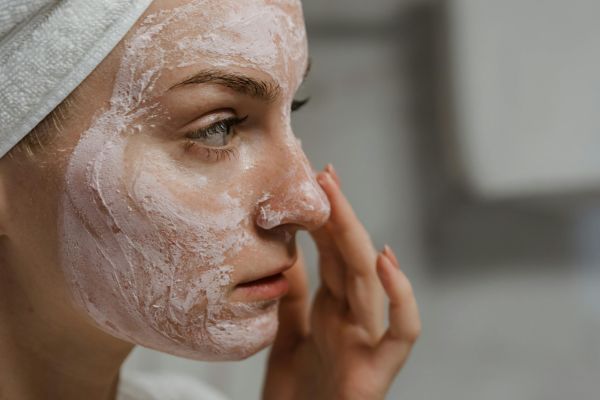
Remember that true skin transformation happens over time. No matter if you are using potato juice for its brightening enzymes or turmeric for its healing properties, consistency is your most powerful tool.
Also read: How to Do Nude Makeup | 10 Stunning Steps for a Flawless Glow