
Do you realize how treating your skin issues more can worsen them? If you struggle with small, irritating bumps that keep recurring on your skin, you might not have normal acne but fungal acne. And here’s the kicker; the very things that you apply to your skin daily may just be contributing to your issue.
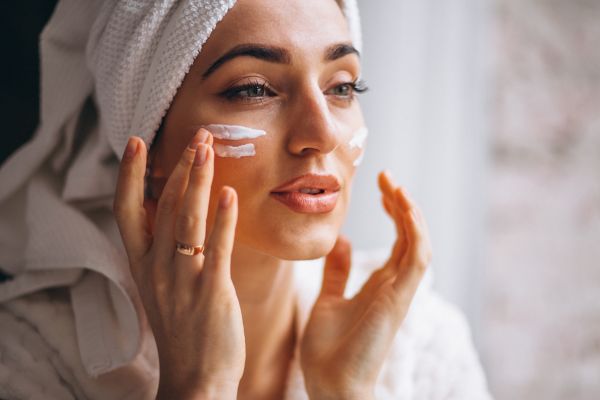
In this guide, I will share an easy fungal acne skincare routine to starve the fungus.
It’s Actually Not Acne
But before we get into details, there is one common misconception which needs to be addressed first – fungal acne is not actually acne! The correct medical term for this skin condition is Malassezia Folliculitis.
Here is the difference:
- Regular Acne: It is caused by clogged pores due to bacteria
- Fungal Acne: It is caused by excessive growth of yeast fungi inside the hair follicles.
Yeast fungi can be compared to a little monster that feeds on oil. And if you use heavy oils in your everyday skincare routine, you feed this monster each day.
Recognizing when it is caused by fungus
- The Appearance: The bumps are all about the same size and shape.
- The Irritation: These bumps, unlike the common pimple, cause itching or have that “crawling” sensation.
- The Place: They appear in clusters on the forehead, chest, or back.
When trying to pop these bumps, there is nothing coming out. No “gunk” or whiteheads, please; avoid picking them! These bumps sound like what you might be having, no worries, with the right treatment regimen, you can get rid of them in no time.
Ingredients to Avoid
The most important part of a fungal acne skincare routine is checking your product labels. If a product contains the fungus’s favorite food, the bumps will stick around. Avoid products with :
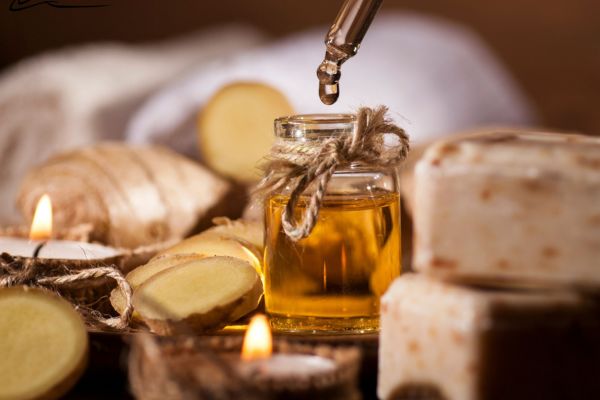
- Fatty Acids & Oils: avoid Lauric, Myristic, and Stearic acids. Even natural favorites like coconut or rosehip oil are off-limits.
- Fermented Ingredients: Anything like Galactomyces can feed the yeast.
- Polysorbates: These are super common in regular lotions, but they act like a feast for fungal acne. Keep them away from your face!
Your Step-by-Step Daily Routine
You don’t need a complicated fungal acne skincare routine to achieve clear skin. In fact, keeping it straightforward is the best way to avoid triggering the fungus.
Step 1: The Cleanse
You want to wash away excess oil without being harsh.
- Morning: Use a gentle, sulfate-free cleanser.
- Evening: If you wear makeup, start with Micellar Water. Most oil cleansers feed the fungus, so avoid them!
- The Secret Weapon: Twice a week, use an anti-dandruff shampoo (like Nizoral) as a face wash. Let it sit for 3–5 minutes. The Ketoconazole in it helps kill the fungus directly.
Step 2: The Hydration
Skip thick, creamy lotions. For fungal acne, water-based gels work best.
- Hyaluronic Acid: Great for drawing water into the skin without oil.
- Aloe Vera: Perfect for soothing that annoying itch.
- Glycerin: Offers a moisture boost that the yeast can’t consume.
Step 3: The Sun Shield
Sunscreen can be tricky because many are oily. Look for “Oil-Free” and “Non-Comedogenic” labels, but still check the ingredient list. Mineral sunscreens with Zinc Oxide are often the safest choice for sensitive, fungal-prone skin.
Accelerate the Process
As soon as you master the basics of fungal acne skincare routine, you can try some extras to rid yourself of these eruptions quicker:
- Salicylic Acid (BHA): This ingredient penetrates deep into your pores and removes excess oil before the yeast gets to it.
- Azelaic Acid: A real breakthrough. It aids in eliminating the fungi and getting rid of the irritating redness caused by the spots.
- Sulfur Masks: A classic remedy. Apply the sulfur mask once a week and let it work for 10 minutes.
Healthy Lifestyle Choices for Healthy Skin
Fungus thrives in heat and moisture. To combat it, keep things fresh:
- Pillowcase Swap: Change it every two days to avoid sleeping on old yeast.
- Post-Workout Showers: Wash your face and body right after sweating.
- Hair Care: Since the yeast often starts on the scalp, use an anti-dandruff shampoo on your hair to prevent it from spreading to your forehead.
Common Traps to Avoid
- The “Natural” Trap: A lot of people think coconut oil cures everything. But with fungal acne, applying coconut oil is like pouring gasoline on a fire.
- The Scrubbing Mistake: Do not scrub too much. You will simply help the fungus penetrate your skin.
- Quitting Too Soon: Just because the bumps vanish doesn’t mean the fungus is gone. Stick to your safe routine for at least a month to make sure it doesn’t bounce right back.
Also Read: Natural Skincare Routine for Combination Skin | A Complete Guide
Your Cheat Sheet
| Action | What to Use | How Often |
| Cleanse | Gentle, Oil-Free Wash | Every Morning & Night |
| Kill Fungus | Anti-Dandruff Shampoo | 2x per week |
| Exfoliate | Salicylic Acid (BHA) | 3x per week |
| Moisturize | Oil-Free Gel Cream | Every Morning & Night |
| Protect | Safe Mineral Sunscreen | Every Morning |
FAQs | Fungal Acne Skincare Routine
Q.1 What are the best products for fungal acne on the face?
Find products with Ketoconazole, Sulfur, or Azelaic Acid in them. Go for “fungal acne safe” gels that are free of oil and water-based.
Q.2 What is a good skincare routine for treating fungal acne when you have oily skin?
Wash your face with something gentle, tone it with BHA to break down grease, and moisturize with a lightweight gel.
Q.3 How long does it take for fungal acne treatment to be effective?
You will notice the annoying itch fade away within 2 to 3 days. However, it usually takes about 3 to 4 weeks of a consistent routine to fully clear the bumps.
Q.4 Can I apply ordinary acne products on fungal acne?
It is best to avoid them. Most regular acne treatments contain fatty acids and oils that feed the yeast, which will only make your breakouts worse. Stick to fungal acne-safe options.
Q.5 How does fungal acne differ from closed comedones?
Fungal acne is distinguished by its uniformly distributed spots whereas closed comedones (also called white heads) are usually not itchy and of different sizes.
Q.6 Can fungal acne reappear even after the treatment?
Yes, it can especially during humid months. In order to prevent recurrence, continue applying your anti-fungal cleanser weekly even when your skin looks clear.
Conclusion | Fungal Acne Skincare Routine
It may seem challenging at first to start a fungal acne skincare routine, but trust me when I say that it is all worth it. Once you begin to starve the yeast and use the right treatments, your skin will finally have the chance to heal itself.

All you need to do is be patient enough and follow your new routines, since providing your skin with the correct conditions is the key to achieving smooth skin.
Also Read: Zero Waste Deodorant | A Cleaner Choice for You and the Planet