
The skincare industry offers thousands of products promising glowing results, but not all are safe. To protect your skin and overall health, you must know the 15 toxic ingredients to avoid in skincare products. Many everyday items contain hidden chemicals capable of causing irritation, hormonal imbalances, and chronic dryness.
Understanding ingredients in skincare products is crucial because your skin absorbs a large percentage of what you apply to it. Using ingredients daily can slowly affect your skin barrier and overall wellness. That’s why learning to read ingredient labels is one way to protect your skin.
In this guide, we will discuss harmful cosmetic ingredients, why they can damage your skin, and safer alternatives you can choose instead.
Why You Should Avoid Harmful Skincare Ingredients
Before you look at another ingredient label, you need to know exactly what these chemicals are doing to your skin.
Harmful skincare ingredients may cause:
- Skin Redness
- Allergic reactions
- imbalance
- Premature aging
- Acne breakouts
- Dryness and sensitivity
- Damage to the skin barrier
- Long-term health risks

Many people unknowingly use skincare ingredients every day because they are hidden behind complicated chemical names. Reading labels carefully can help you make choices for your skin.
15 Toxic Ingredients You Must Avoid
Hidden chemicals in conventional beauty products can quietly damage your skin and disrupt your health. Here is the ultimate list of the 15 toxic ingredients to avoid in skincare products to keep your skin safe:
1. Parabens
Parabens are preservatives used in skincare and cosmetic products. They help prevent bacteria and mold growth, which increases product shelf life.
Common Types of Parabens:
- Methylparaben
- Propylparaben
- Butylparaben
- Ethylparaben
Why Parabens Are Harmful:
Parabens may mimic estrogen in the body, which can interfere with hormones. Some studies have linked parabens to imbalance and other health concerns.
Possible Side Effects:
- Skin irritation
- Hormone disruption
- Increased skin sensitivity
Safer Alternatives:
Look for products labeled:
- Paraben-free
- Preserved with ingredients
- Vitamin E-based preservation systems
2. Sulfates
Sulfates are cleansing agents commonly found in face washes, shampoos, and body cleansers. They create a lather that many people associate with cleanliness.
Common Sulfates in Skincare:
- Sodium Lauryl Sulfate (SLS)
- Sodium Laureth Sulfate (SLES)
Why Sulfates Are Harmful:
Sulfates can strip oils from the skin, leaving it dry and irritated. People with acne-prone skin often experience worsening irritation from sulfate-based products.
Side Effects of Sulfates:
- skin
- Redness
- Itching
- Damaged skin barrier
Better Alternatives:
- Coco-glucoside
- Decyl glucoside
- Sulfate- cleansers
3. Artificial Fragrances
Artificial fragrances are added to create pleasant scents, but they are also among the top 15 toxic ingredients to avoid in skincare products. Their hidden chemical formulas often trigger severe irritation and allergies.
Why Artificial Fragrance Is Toxic:
Manufacturers are not always required to disclose all fragrance ingredients. Many synthetic fragrance chemicals may trigger skin irritation and allergies.
Common Problems Caused by Fragrance:
- Skin irritation
- Headaches
- Allergic reactions
- Skin sensitivity
Tips to Avoid Fragrance Damage:
Choose products labeled:
- Fragrance-free
- Unscented
- Naturally scented with oils.
4. Formaldehyde and Formaldehyde-Releasing Preservatives
Formaldehyde is a preservative used to prevent bacterial growth in cosmetics and skincare.
Ingredients That Release Formaldehyde:
- DMDM Hydantoin
- Quaternium-15
- Imidazolidinyl Urea
Why Formaldehyde Is Dangerous:
Formaldehyde is known to cause skin irritation and allergic reactions. Long-term exposure may also raise health concerns.
Symptoms of Exposure:
- Burning sensation
- Redness
- Itchy skin
- Skin inflammation
Safer Skincare Options:
- preservatives
- Organic skincare products
- beauty brands
5. Phthalates
Why Phthalates Are Harmful: Phthalates are linked to hormone disruption and reproductive health concerns. When reviewing the 15 toxic ingredients to avoid in skincare products, you’ll find these are commonly hidden under the vague term “fragrance.”
Why Phthalates Are Harmful:
Phthalates are linked to hormone disruption and reproductive health concerns. They are commonly hidden under the term “fragrance.”
Common Side Effects:
- Hormonal imbalance
- Skin irritation
- Allergic reactions
How to Avoid Phthalates:
- Avoid products with fragrance.
- Choose phthalate- skincare.
- Read labels carefully
6. Mineral Oil
Mineral oil is a petroleum-derived ingredient commonly used in moisturizers and lotions.
Why Mineral Oil Can Be Problematic:
Although it creates a feeling on the skin, mineral oil can clog pores and trap dirt and bacteria.
Potential Skin Issues:
- Acne breakouts
- pores
- Heavy greasy feeling
Better Alternatives:
- Jojoba oil
- Argan oil
- Rosehip oil
- Squalane
7. Oxybenzone
Oxybenzone is a chemical sunscreen agent used to absorb UV rays. However, it stands out on the list of 15 toxic ingredients to avoid in skincare products because research suggests it may disrupt hormones and irritate sensitive skin.
Why Oxybenzone Is Controversial:
Research suggests oxybenzone may disrupt hormones and irritate skin.
Common Problems:
- Skin allergies
- Hormonal concerns
- Eye irritation
Safer Sunscreen Ingredients:
Choose mineral sunscreens containing:
- Zinc oxide
- Titanium dioxide
These ingredients are gentler and safer for the skin.
8. Triclosan
Triclosan is a chemical once commonly found in cleansers and soaps.
Why Triclosan Is Toxic:
Triclosan may interfere with hormone function. Contribute to antibiotic resistance.
Possible Risks:
- Hormone disruption
- Skin irritation
- Environmental damage
Safer Alternatives:
- Tea tree oil cleansers
- antibacterial ingredients
- Gentle skincare products
9. Polyethylene Glycols (PEGs)
PEG compounds are petroleum-based ingredients used as thickeners and softeners in skincare products.
Why PEGs Are Harmful:
PEGs may become contaminated with substances during manufacturing.
Possible Side Effects:
- Skin irritation
- Dryness
- Increased absorption of toxins
Better Alternatives:
- Plant-based emulsifiers
- moisturizing ingredients
10. Alcohol (Denatured Alcohol)
Certain types of alcohol are used in skincare to create formulas and quick-drying effects.
Harmful Alcohols to Avoid:
- SD Alcohol
- Denatured Alcohol
- Isopropyl Alcohol
Why These Alcohols Are Bad for Skin:
They strip moisture from the skin and weaken the barrier.
Signs of Alcohol Damage:
- Tightness
- Dry patches
- Flaking skin
- Increased oil production
Safer Alternatives:
Look for alcohols like:
- Cetyl alcohol
- Stearyl alcohol
These are moisturizing instead of drying.
11. Hydroquinone
Hydroquinone is a skin-lightening agent used to treat pigmentation. While effective for dark spots, it is one of the 15 toxic ingredients to avoid in skincare products for long-term use due to risks of skin thinning and permanent discoloration.
Why Hydroquinone Can Be Risky:
Long-term use may cause skin discoloration and increased sensitivity.
Side Effects:
- Irritation
- Redness
- Skin thinning
- Uneven pigmentation
Safer Alternatives for Brightening:
- Vitamin C
- Niacinamide
- Licorice root extract
- Alpha arbutin
12. Synthetic Colors
Artificial colors are added to skincare products for appeal.
Common Label Names:
- FD&C colors
- D&C colors
Why Synthetic Colors Are Harmful:
Artificial dyes may irritate skin and trigger allergies.
Problems Caused by Artificial Colors:
- Skin sensitivity
- Redness
- Allergic reactions
Better Choices:
- Dye- skincare
- Naturally colored products
13. Talc
Talc is commonly used in powders and makeup products to absorb moisture.
Why Talc Is Controversial:
Some talc products may be contaminated with asbestos, a substance linked to serious health concerns.
Risks of Talc:
- Skin irritation
- Respiratory issues
- Potential contamination concerns
Safer Alternatives:
- Cornstarch
- Arrowroot powder
- Kaolin clay
14. BHA and BHT
BHA (Butylated Hydroxyanisole) and BHT (Butylated Hydroxytoluene) are preservatives used in cosmetics.
Why BHA and BHT Are Harmful:
These ingredients may cause skin irritation. They are considered controversial in clean beauty products.
Common Side Effects:
- Skin sensitivity
- Allergic reactions
- Irritation
Why Clean Beauty Is Becoming Popular
People today are becoming more aware of the 15 toxic ingredients to avoid in skincare products. This has increased the demand for clean beauty products that are made with safer formulas.
Benefits of Clean Beauty Products:
- Gentle on skin
- Fewer irritants
- Better for long-term skin health
- Environmentally friendly
- Safer ingredient transparency
Choosing skincare products can help to improve your skin while reducing unnecessary chemical exposure. Clean beauty products are good for your skin and the environment.
How Toxic Skincare Ingredients Affect Sensitive Skin
Sensitive skin reacts quickly to harmful chemicals. Knowing the 15 toxic ingredients to avoid in skincare products is crucial because even small amounts of irritating ingredients can damage your skin barrier.

Signs Your Skincare Products May Be Irritating Your Skin:
- Burning sensation
- Persistent redness
- Dryness
- Itchy patches
- breakouts
If you notice these symptoms, you should check your product labels carefully for the toxic ingredients to avoid in skincare products and switch to safer alternatives.
Tips for Building a Safe Skincare Routine
Creating a safe skincare routine doesn’t have to be complicated or filled with aggressive chemicals. By focusing on gentle, conscious choices and understanding what you put on your face, you can effectively protect your skin barrier while achieving a healthy, radiant glow.
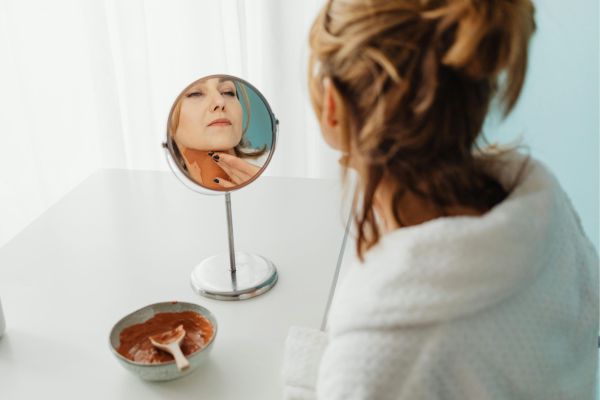
Simple Tips for Safer Skincare:
- Use gentle products
- Avoid harsh exfoliants
- Patch test new products
- Choose fragrance-free formulas.
- Focus on hydration
- Wear mineral sunscreen daily.
Consistency with skincare is often more effective than using too many strong products. Gentle skincare products are better for your skin.
Common Marketing Terms That Can Be Misleading
The beauty industry frequently uses attractive marketing claims to make products seem safer and more effective than they actually are. Because these labels are rarely regulated, learning to look past clean-sounding terms and read the actual ingredient list is essential for protecting your skin.
Terms to Be Careful With:
- “Natural”
- “Dermatologist-approved”
- “Chemical-free”
- “Organic-inspired”
Always read the ingredient list before trusting packaging claims alone. Be careful with marketing terms.
You may also like: Smart Home Devices Skincare Tips | 14 Genius Ways Technology Can Upgrade Your Daily Routine
FAQs | 15 Toxic Ingredients to Avoid in Skincare Products
Q.1 What are the most toxic ingredients in skincare?
Avoid parabens, formaldehyde-releasers, phthalates, and synthetic fragrances, as they can cause skin irritation or hormone disruption. Additionally, sulfates and drying alcohols can strip the skin barrier, leading to chronic dryness and sensitivity.
Q.2 What is the safest brand of skincare?
CeraVe, La Roche-Posay, and Cetaphil are generally the safest choices because they use gentle, dermatologist-tested ingredients. For sensitive skin, always look for fragrance-free and non-comedogenic formulas.
Q.3 What ingredient should not be in skincare?
Parabens, formaldehyde-releasers, phthalates, and synthetic fragrances can cause irritation or hormone disruption. Meanwhile, sulfates and drying alcohols strip the skin barrier, leading to chronic dryness and sensitivity.
Q.4 What is the 1% rule in skincare?
The 1% rule means introducing only one new product at a time, making it easier to track your skin’s reaction and prevent breakouts or irritation.
Q.5 What ingredients are bad for face moisturizer?
Fragrance, parabens, sulfates, and drying alcohols can cause skin irritation or dryness, while heavy, comedogenic oils can clog pores and trigger acne breakouts.
Q.6 What are the only 4 skincare ingredients proven to work?
Retinoids, Vitamin C, Sunscreen (SPF), and Niacinamide are the top four scientifically proven ingredients to improve texture, pigmentation, acne, and signs of aging.
Conclusion | 15 Toxic Ingredients to Avoid in Skincare Products
Choosing the right products is the best investment you can make for your skin and overall health. By learning about the 15 toxic ingredients to avoid in skincare products, you can easily protect yourself from irritation, hormonal imbalances, and long-term damage while making smarter beauty choices.

Always remember that healthy skin thrives on gentle, conscious care rather than harsh chemicals or complicated routines. Making small, clean changes today will support your natural skin barrier, leading to a stronger, safer, and more radiant complexion in the future.
Also read: Korean Skincare for Teenager | Simple Guide to Healthy and Glowing Skin