
Skincare lovers are always searching for natural ingredients that can improve skin health without harsh chemicals. One ingredient that has gained massive popularity in recent years is flaxseed. Packed with nutrients, antioxidants, and healthy fats, flaxseed has become a favorite in homemade beauty remedies and skincare routines.

From reducing acne to improving skin texture, flaxseed in skincare offers several amazing benefits. If you use flaxseed gel or oil or consume it regularly, this superfood can naturally transform your skin.
In this detailed guide, you will learn everything about flaxseed, its skincare benefits, how to use it, DIY remedies, side effects, and expert tips for glowing skin.
What Is Flaxseed?
Flaxseed is a tiny golden or brown seed obtained from the flax plant. It has been used for centuries in health, wellness, and beauty treatments because of its rich nutritional profile.
These small seeds contain:
- Omega-3 fatty acids
- Vitamin E
- Fiber
- Protein
- Antioxidants
- Lignans
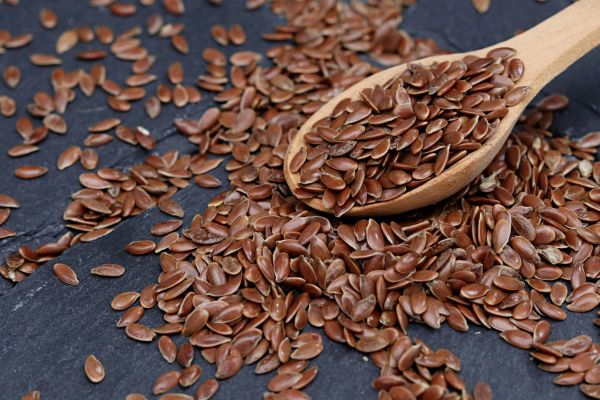
All these nutrients make flaxseed an excellent ingredient for maintaining healthy and youthful skin.
Why Flaxseed Is Trending in Skincare
Natural skincare products are becoming more popular as people seek safer, cleaner beauty solutions. Using flaxseed in skincare fits perfectly into this trend due to its incredible nourishing and healing properties.
Reasons flaxseed is loved in skincare:
- It is completely natural.
- Suitable for most skin types
- Affordable and easy to use
- Helps with multiple skin problems
- Can be used internally and externally
Many beauty enthusiasts now use flaxseed as a natural alternative to chemical-based skincare products.
Nutritional Components of Flaxseed That Benefit Skin
To understand why flaxseed works so wonderfully for the skin, let’s take a closer look at the powerful nutritional components packed inside these tiny seeds:
1. Omega-3 Fatty Acids
Omega-3 helps reduce inflammation and keeps the skin moisturized. It also improves skin elasticity and softness.
Benefits:
- Reduces redness
- Prevents dryness
- Supports skin repair
2. Vitamin E
Vitamin E is known for its antioxidant properties that protect the skin from damage caused by pollution and UV rays.
Benefits:
- Prevents premature aging
- Keeps skin smooth
- Adds natural glow
3. Lignans
Lignans are plant compounds with antioxidant effects.
Benefits:
- Fights free radicals
- Reduces signs of aging
- Helps maintain even skin tone
Top Benefits of Flaxseed for Skin
Consistency is key when it comes to natural remedies. Here is how introducing flaxseed in skincare routines can completely transform your skin over time:
1. Helps Achieve Naturally Glowing Skin
One of the biggest reasons people use flaxseed is for radiant and healthy-looking skin. Flaxseed nourishes the skin deeply and improves blood circulation, which enhances the natural glow.
How it helps:
- Hydrates dry skin
- Repairs damaged skin cells.
- Boosts skin nourishment
Regular use can make dull skin appear brighter and fresher.
2. Reduces Acne and Pimples
Acne often occurs because of inflammation, excess oil, and bacteria. Flaxseed helps calm irritated skin and controls oil production.
Acne-fighting properties:
- Anti-inflammatory effects
- Controls excess sebum
- Helps soothe redness
Flaxseed gel can be applied directly to acne-prone skin for better results.
3. Prevents Premature Aging
Fine lines and wrinkles are common signs of aging. The antioxidants present in flaxseed help fight skin damage caused by free radicals.

Anti-aging benefits:
- Improves skin elasticity
- Reduces wrinkles
- Keeps skin firm
Using flaxseed regularly can help maintain youthful skin naturally.
4. Moisturizes Dry Skin
Dry skin can appear flaky, rough, and irritated. Flaxseed contains healthy fats that deeply nourish the skin barrier.
Moisturizing effects:
- Locks in hydration
- Softens rough patches
- Prevents skin dryness
Flaxseed oil works especially well for dry and sensitive skin.
5. Soothes Sensitive and Irritated Skin
Sensitive skin requires gentle ingredients that calm irritation. Flaxseed is known for its soothing properties.
It helps:
- Reduce itchiness
- Calm redness
- Soothe inflamed skin
People with eczema-prone skin often use flaxseed-based remedies for comfort.
6. Improves Skin Elasticity
As skin ages, it loses collagen and elasticity. Flaxseed supports healthier and firmer skin because of its nutrient-rich composition.
Results may include:
- Tighter-looking skin
- Improved texture
- Better skin flexibility
This makes flaxseed a great natural beauty ingredient for mature skin.
7. Supports Skin Detoxification
Flaxseed is rich in fiber, which helps remove toxins from the body. Cleaner internal health often reflects on the skin.
Detox benefits:
- Fewer breakouts
- Clearer complexion
- Reduced skin dullness
Healthy digestion and skincare go hand in hand.
Different Ways to Use Flaxseed in Skincare
If you want a quick daily treatment or an intensive pampering session, there are several incredibly easy ways to include flaxseed in your beauty routine. Let’s explore how you can use it as a gel, an oil, or in homemade face masks:
Flaxseed Gel for Skin
Flaxseed gel has emerged as one of the most popular and effective natural skincare remedies for achieving a healthy glow.
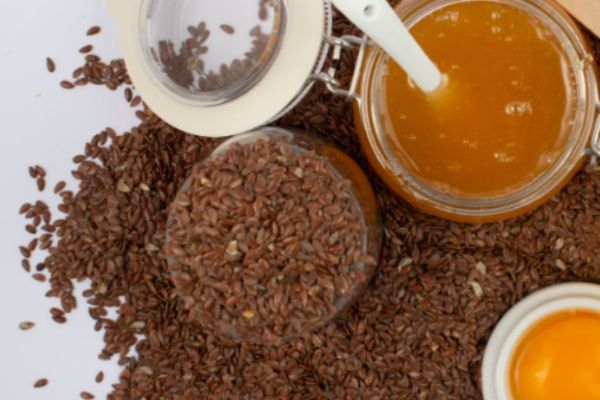
Ingredients Required:
- Flaxseeds: 2 tablespoons (raw and unflavored)
- Water: 2 cups
Step-by-Step Method to Make Flaxseed Gel:
- Boil: Add flaxseeds to water and bring it to a boil on medium heat.
- Stir: Stir the mixture continuously to prevent seeds from sticking to the bottom.
- Check Thickness: Wait until the liquid thickens into a gel-like, frothy consistency.
- Strain: Turn off the heat and strain the gel immediately using a cheesecloth or fine strainer while it’s hot.
- Cool: Let the strained gel cool down completely before transferring it to a glass container.
How to Apply Flaxseed Gel on Face:
- Cleanse: Wash your face thoroughly and pat dry.
- Layer: Apply a thin, even layer of the cooled flaxseed gel all over your face and neck.
- Rest: Leave it on for 15–20 minutes to let the nutrients absorb.
- Rinse: Wash off gently with lukewarm water and follow up with a light moisturizer.
Key Benefits of Flaxseed Gel for Skin:
- Tightens Skin: Naturally firms the skin and reduces the appearance of fine lines.
- Hydrates Naturally: Provides deep hydration without making the skin greasy.
- Improves Texture: Gives a smooth, soft, and supple texture to the skin.
Flaxseed Oil for Face
Using cold-pressed flaxseed oil is another highly effective way to nourish and repair your skin barrier.
How to Use Flaxseed Oil in Your Skincare Routine:
- Night Application: Apply a few drops of flaxseed oil to your face as the last step of your nighttime skincare routine.
- Massage: Gently massage the oil in upward circular motions into the skin.
- Overnight Action: Leave the oil on overnight to let it deeply repair the skin while you sleep.
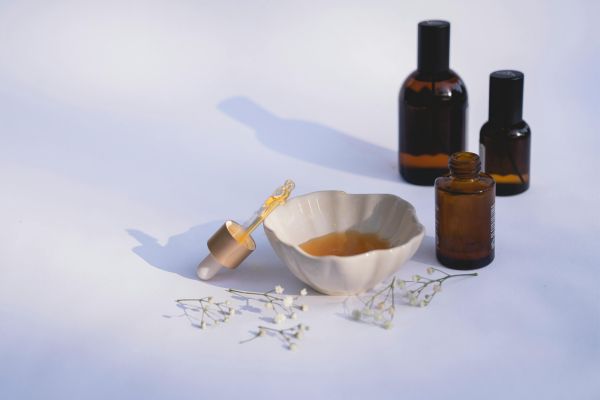
Major Benefits of Flaxseed Oil for Face:
- Deep Moisturization: Penetrates deep into skin layers to lock in intense moisture.
- Reduces Dryness: Instantly calms flaky, dry, and irritated skin.
- Promotes Glowing Skin: Leaves you with a soft, radiant, and naturally glowing complexion by morning.
Pro Tip: For the best results and maximum nutrient retention, always use organic, cold-pressed flaxseed oil.
DIY Flaxseed Face Masks
If you want to treat specific skin concerns without harsh chemicals, homemade flaxseed face masks are a game-changer. Here are three powerful, targeted DIY recipes you can easily make at home:
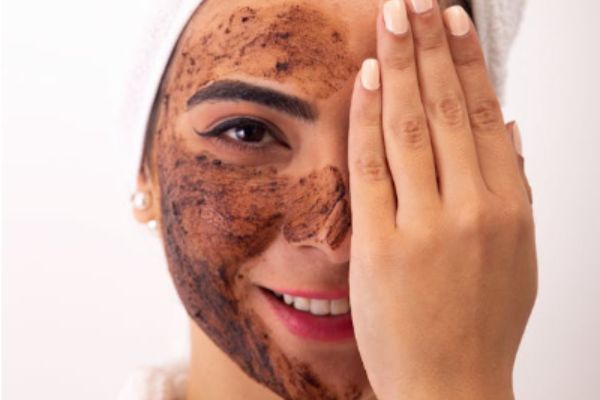
1. Flaxseed and Honey Face Mask (For Dry & Dull Skin)
This combination deeply nourishes the skin, making it perfect for restoring a healthy radiance to a tired complexion.
Ingredients:
- Flaxseed Gel: 1 tbsp
- Raw Honey: 1 tsp
How to Apply:
- Mix: Blend the flaxseed gel and raw honey thoroughly in a clean bowl.
- Apply: Evenly spread the mixture onto your cleansed face and neck.
- Time: Leave it undisturbed for 15–20 minutes.
- Rinse: Wash off gently with lukewarm water and pat dry.
Key Benefits:
- Deep Hydration: Honey acts as a natural humectant, locking intense moisture into dry skin layers.
- Natural Glow: Safely exfoliates dead skin cells to reveal a brighter, more radiant complexion.
- Softens Skin: High fatty acids in flaxseeds instantly smooth out rough and flaky textures.
2. Flaxseed and Yogurt Mask (For Irritated & Acne-Prone Skin)
Ideal for calming active breakouts, reducing stubborn inflammation, and balancing overall oil production.
Ingredients:
- Flaxseed Gel: 1 tbsp
- Plain Yogurt: 1 tbsp (unsweetened)
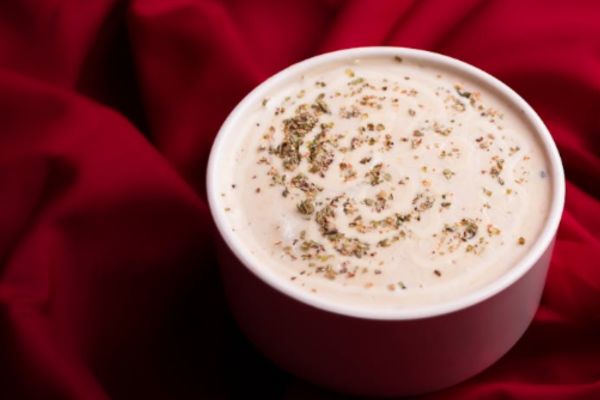
How to Apply:
- Mix: Blend both ingredients into a smooth, consistent paste.
- Apply: Gently apply a layer over your face, focusing on acne-prone areas.
- Time: Allow it to sit on the skin for 20 minutes.
- Rinse: Cleanse thoroughly with cool water to help close the pores.
Key Benefits:
- Reduces Redness: Yogurt’s zinc and lactic acid soothe acne-induced inflammation and irritation.
- Controls Excess Oil: Regulates sebum production to prevent future clogged pores and breakouts.
- Brightens Skin Tone: Fades acne scars, blemishes, and corrects uneven skin tone naturally.
3. Flaxseed and Aloe Vera Mask (For Sensitive Skin)
A highly soothing, lightweight blend that repairs the skin barrier while cooling down any allergic triggers.
Ingredients:
- Flaxseed Gel: 1 tbsp
- Fresh Aloe Vera Gel: 1 tbsp
How to Apply:
- Mix: Whisk the two organic gels together until they integrate completely.
- Apply: Smooth an even layer over your face and irritated skin zones.
- Time: Leave it on for 15 minutes to let the skin absorb the nutrients.
- Rinse: Rinse gently with plain, room-temperature water.

Key Benefits:
- Soothes Irritation: Instantly calms itching, rashes, or sudden allergic reactions on sensitive skin.
- Cools the Skin: Provides an immediate cooling sensation, making it excellent for healing sunburns.
- Repairs Damage: Omega-3 fatty acids and antioxidants work together to rebuild a damaged skin barrier.
Pro Tip: Always recommend doing a patch test on the inner wrist or neck before applying any DIY mask to the entire face to avoid allergic reactions.
Can Eating Flaxseed Improve Skin?
Absolutely! Consuming flaxseed regularly transforms your skin health from the inside out. Packed with essential nutrients that fight inflammation and oxidative stress, flaxseed is one of the best internal strategies for flaxseed in skincare. Here are the easiest ways to add it to your diet
Ways to Consume Flaxseed
- Add to Smoothies: Blend 1 tablespoon of ground flaxseed into your smoothie to naturally thicken it and add a quick boost of fiber and omega-3s.
- Sprinkle on Oatmeal: Toss a spoonful over warm oatmeal or porridge to add a subtle, pleasant nutty flavor and enhance your breakfast’s nutrition.
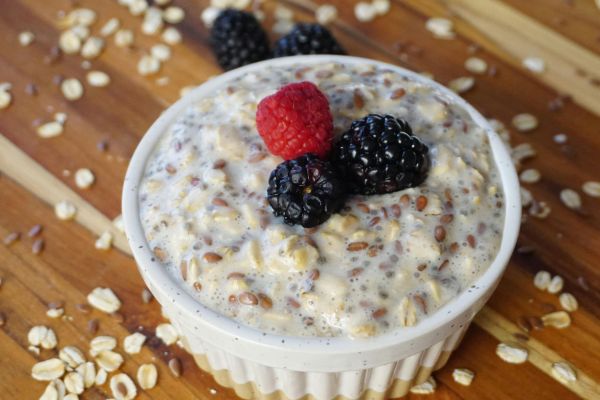
- Mix into Yogurt: Stir ground flaxseed directly into yogurt and top with berries for a quick, gut-healthy snack that keeps you full longer.
- Use in Baking: Mix it into batters for muffins, pancakes, or breads, or combine it with water to create a plant-based “flax egg” for vegan baking.
Recommended intake:
1–2 tablespoons daily is generally considered sufficient.
Drinking enough water along with flaxseed is important because of its high fiber content.
Best Skin Types for Flaxseed Use
While it is highly versatile, using flaxseed in skincare adapts beautifully to cater to different skin needs. Here is a quick breakdown of how this powerful seed benefits your specific skin type:
- Dry Skin: It is best suited for dry skin as it delivers deep hydration and seals in essential moisture to eliminate flakiness.
- Oily Skin: It helps balance natural sebum (oil) production and contains anti-inflammatory properties that actively reduce acne breakouts.
- Sensitive Skin: Its naturally soothing and calming properties work effectively to reduce redness, irritation, and skin inflammation.
- Combination Skin: It works exceptionally well when used in moderation, hydrating dry zones while keeping the oily T-zone perfectly balanced.
Important Reminder: Always perform a quick patch test on your inner wrist or neck before applying flaxseed to your face to rule out any allergic reactions.
Possible Side Effects of Flaxseed on Skin
While it is a completely natural ingredient, everyone’s skin reacts differently. In rare cases, some individuals might experience mild side effects—especially those with highly sensitive skin. Before fully incorporating flaxseed in skincare routines, here are the most common reactions to watch out for:
- Skin Irritation: Some individuals may experience a mild tingling or burning sensation upon application.
- Allergic Reactions: If you are allergic to the flax plant, it can trigger sudden hives, swelling, or rashes.
- Redness or Itching: Applying the gel without a proper patch test might cause temporary redness and itchy patches.

Safety tips:
- Perform a patch test first.
- Avoid overuse
- Use fresh flaxseed products.
If irritation continues, discontinue use immediately.
Flaxseed vs Chia Seeds for Skincare
While both flaxseed and chia seeds are nutritional powerhouses, their impact on your skin varies. To help you choose the best one for your beauty goals, here is a quick head-to-head comparison:
| Feature | Flaxseed | Chia Seeds |
| Omega-3 Content | High | Moderate |
| Skin Hydration | Excellent | Good |
| Anti-Aging | Strong | Moderate |
| Gel Texture | Smooth | Thick |
| Acne Control | Effective | Mild |
Flaxseed is often preferred for skincare because of its soothing gel consistency and higher omega-3 content.
Tips to Get the Best Results From Flaxseed in Skincare
Like any natural remedy, flaxseed doesn’t work overnight—consistency is the real secret to unlocking its maximum benefits. To get the absolute best results for your skin, try incorporating these simple yet highly effective expert tips into your routine:
Useful tips:
- Use gel 2–3 times weekly: Regular application ensures steady nourishment and a continuous natural glow.
- Store in the refrigerator: Keep your homemade gel chilled in a clean glass jar to maintain its freshness.
- Stay thoroughly hydrated: Drink plenty of water throughout the day to complement flaxseed’s internal benefits.
Natural remedies take time, so patience is necessary.
How to Store Flaxseed Properly
Flaxseed can lose its freshness and nutritional value quickly if stored incorrectly. To extend its shelf life and keep its skin-boosting properties intact, follow these essential storage tips:
- Use an airtight container: Store your seeds or powder in a sealed glass jar to prevent oxidation.
- Keep in a cool, dark place: Protect it from moisture and heat by keeping it inside a pantry or cupboard.
- Refrigerate flaxseed oil: Cold-pressed oil spoils fast, so always keep it chilled after opening.
- Avoid direct sunlight: UV rays can degrade the healthy omega-3 fatty acids very quickly.
Ultimately, using fresh ingredients is the easiest way to unlock the true potential of flaxseed in skincare remedies.
Why Natural Skincare Lovers Prefer Flaxseed
Many beauty enthusiasts now choose flaxseed over chemical-heavy products because it is gentle, affordable, and highly versatile. If you are looking to simplify your beauty routine, here are the biggest advantages of switching to flaxseed skincare:
- Budget-friendly: It offers a highly effective skincare solution without the premium price tag.
- Easy DIY remedies: You can effortlessly whip up fresh gel or masks right in your kitchen.
- Minimal chemical exposure: It protects your skin from the harsh side effects of synthetic additives.
- Multi-purpose benefits: A single ingredient that easily targets acne, dryness, and aging all at once.
It is a simple yet powerful ingredient for maintaining healthy skin naturally.
You may also like: How to Apply Night Cream on Face | 5 Steps to Wake Up with Glowing Skin
FAQs | Flaxseed in Skincare
Q.1 Can we apply flax seeds on face daily?
Yes, you can apply flax seeds or flaxseed gel on your face daily if your skin tolerates it well.
It helps hydrate the skin and may improve softness, but always do a patch test first to avoid irritation.
Q.2 Is flaxseed good for skincare?
Yes, flaxseed is good for skincare because it is rich in omega-3 fatty acids and antioxidants that help nourish and hydrate the skin.
It may also reduce dryness, inflammation, and signs of aging when used regularly.
Q.3 What is the biggest disadvantage of flax?
The biggest disadvantage of flax is that consuming too much may cause bloating, gas, or digestive discomfort.
Flaxseed can also interact with certain medications and may not suit people with specific health conditions.
Q.4 Which is better: flaxseed or chia seeds?
Both are healthy, but flaxseed is better for omega-3s and antioxidants, while chia seeds are higher in fiber and hydration benefits.
The better choice depends on your health goals, and many people include both in their diet for maximum benefits.
Q.5 How long does it take for flaxseed to show results on skin?
When using flaxseed gel or DIY masks consistently, you can expect to see initial improvements in skin hydration and softness within 1 to 2 weeks. However, for deeper benefits like reduced acne or improved skin elasticity, it generally takes around 4 to 6 weeks of regular application.
Q.6 Does flaxseed gel tighten skin and reduce wrinkles?
Yes, flaxseed gel is known as a natural skin tightener. As the gel dries on your face, it creates a temporary tightening effect that minimizes the appearance of pores. Over time, its high concentration of omega-3 fatty acids and antioxidants helps boost collagen production, which visibly reduces the appearance of fine lines and wrinkles.
Conclusion | Flaxseed in Skincare
Flaxseed in skincare is one of the best natural beauty trends for healthy and glowing skin. Rich in omega-3 fatty acids, antioxidants, and essential nutrients, flaxseed helps moisturize the skin, reduce acne, fight signs of aging, and improve overall texture naturally.
If you apply flaxseed gel, use flaxseed oil, or consume flaxseed daily, this tiny superfood can provide impressive skincare benefits over time. The best part is that it is affordable, easy to use, and suitable for most skin types.
If you want naturally radiant skin without relying heavily on chemical-based products, adding flaxseed to your skincare routine can be a smart and effective choice.
Also read: 15 Beautiful Different Types of Bridal Makeup Every Bride Should Know